
Solo Travel Challenges and How to Overcome Them 

Budgeting for Solo Travel in India

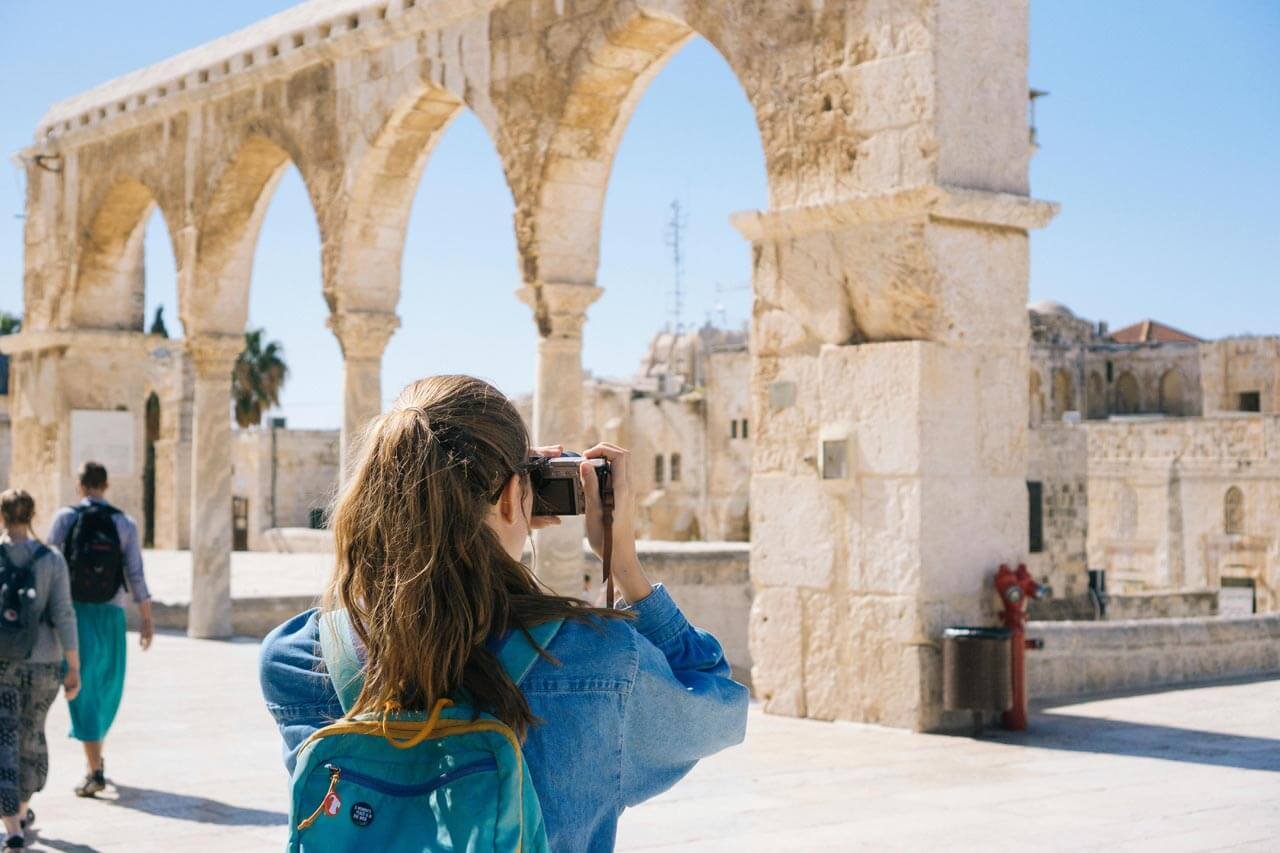
Solo travel is often portrayed as the ultimate path to freedom, adventure, and self-discovery. Social media is filled with captivating images of solo explorers in exotic places, creating a seductive vision of what awaits. Yet behind the thrilling and breathtaking scenery lies on another side, often hidden in the excitement and planning: the real challenges faced by solo travelers. 

Solo travel challenges include loneliness, safety concerns, making decisions, and potential illnesses. While these issues can also arise when you’re not traveling, they become more exacerbated. Therefore, before embarking on a solo journey to benefit from the freedom of moving alone, it’s helpful to consider the challenges you may confront and prepare them ahead of time. 

Below, we take a closer look at solo travel challenges and how it’s helpful to prepare to combat them before embarking on your voice journey. 

  1. Overwhelming Loneliness 

The idea of traveling alone undoubtedly sounds liberating and may even leave you excited during your initial few days. However, loneliness creeps in without warning during lengthy journeys or quiet evenings. You may find yourself reaching for your mobile phone, looking to make video calls or trying to reach out to friends for some much-needed solace. The lack of companions can occasionally make even the most exciting places appear empty. Residing in hostels, using social media apps, or attending group tours helps combat loneliness. 

Consider engaging with locals to combat loneliness. Engage in conversations with the locals at Café’s and tourist attractions. You can easily combat loneliness by opting to stay in hostels, where you can meet fellow solo travelers. 

  1. Genuine Safety Concerns 

You can become vulnerable to scams, theft, or physical harm when you are in an unfamiliar location alone. Female travelers face additional safety concerns, ranging from harassment to a lack of security in some areas. Although researching the destination, staying in well-reviewed accommodations, and avoiding isolated areas during odd hours help mitigate some risks, they do not eliminate safety concerns altogether. Therefore, it is essential to keep family and friends informed about your itinerary. 

  1. Decision-Making Burden 

You are responsible for every aspect of the tour, including navigating transportation routes, selecting accommodations, and more. While it allows you to feel independent, it also results in decision fatigue, making your journey exhausting rather than enjoyable. Preplanning essential aspects of the trip helps you overcome travel obstacles, such as accommodation and transportation, to reduce your mental load and ensure a smoother experience. 

  1. Not All Destinations Are Solo-Friendly 

Some destinations are more conducive to solo travel trips. These destinations go out of their way to welcome all types of travelers, including solo travelers. They might make you feel like you can expect similar experiences everywhere you travel. However, cities with inadequate public transport facilities and budget-friendly accommodation can make you confront some of the common challenges in solo travel and make you wonder how to overcome them. It’s helpful to opt for destinations acknowledged as welcoming to solo travelers, as this can significantly enhance your experience and teach you valuable problem-solving skills. 

  1. Illness Can Be a Nightmare 

Learning problem-solving skills when traveling solo is not the end of your challenges because you must learn about the common challenges in solo travel and how to overcome them simultaneously. Illnesses from food poisoning or medical emergencies are distressing when there is no help available at hand. Navigating healthcare facilities in a foreign land, especially when language barriers also exist, can become a nightmare, making it essential to carry a basic medical kit, purchase travel insurance, and maintain a list of emergency contacts or nearby hospitals. 

  1. Expenses of Solo Travel 

Solo travel means you have no one to split the costs of accommodation, transport, or meals with. A solo trip can be more expensive than traveling in a group. Some activities, such as guided tours, often have higher price tags for solo travelers. In such cases, staying in budget accommodation such as hostels or homestays, public transportation, and seeking out free or low-cost attractions proves helpful. 

You must plan and track your expenses by creating a budget before your trip, indicating daily allowances for food, accommodation, and other activities. Here again, you can consider using apps on your mobile phone to help you track and plan expenditure. It’s helpful to travel during the off-season because tourist destinations often offer discounts on most activities, allowing you to save money. 

  1. Homesickness 

No matter the beauty of the destination, missing the company of loved ones and home is inevitable. The feelings can intensify during festivals, special occasions, and birthdays. Homesickness can creep up unexpectedly, making you feel like you should have brought family items or have access to video calls to deal with the challenge. 

  1. Solo Travel Scammers 

Scammers often target solo travelers because they consider them easy to prey. They can pose misleading guides or a scam by charging inflated taxi fares, making the risks endless. It’s helpful to read about common travel scams at your chosen destination to remain cautious of fully friendly strangers to help avoid unpleasant experiences. 

  1. Managing Emergencies 

Losing essential documents, dealing with unexpected financial issues, or missing a flight, becomes significantly more distressing when traveling solo. Maintaining copies of essential documents in digital format and having emergency funds, as well as physical copies of local embassy contact details, proves helpful when seeking emergency safety measures. 

  1. Post-Travel Blues 

Returning to your regular life after an exciting solo trip may appear mundane. With this newfound independence and the excitement of travel making regular life monotonous, you may feel the need for help planning future trips, taking on new hobbies, or documenting your journey through blogs or vlogs to help transition back to daily life. 

  1. Language Barriers 

You will likely encounter language barriers when traveling solo. It is one of the most frustrating aspects of Solo travel, especially in locations where English is not the primary language. Miscommunications result in misunderstandings. Being unable to express yourself or understand what others say can make you feel disconnected and vulnerable. Can you overcome these challenges? 

It is not difficult to overcome the challenge of a language barrier, as you can use translation apps on your mobile phone and learn some basic phrases before embarking on your journey to the destination. 

Conclusion 

While solo travel is incredibly rewarding and offers the opportunity for individual growth, self-discovery, and unforgettable memories, it also poses some challenges that you must prepare for. When you address issues such as loneliness, safety, language barriers, budget management, and cultural differences, you ensure a more enjoyable and fulfilling solo adventure. It’s helpful to remember that the key to overcoming solo travel challenges lies in preparation and a positive mindset. If you have the right approach, you can convert potential obstacles and opportunities into learning experiences, making your solo travel truly unforgettable. 

No Comments

Solo Travel Challenges and How to Overcome Them 

Budgeting for Solo Travel in India

Solo travel is often portrayed as the ultimate path to freedom, adventure, and self-discovery. Social media is filled with captivating images of solo explorers in exotic places, creating a seductive vision of what awaits. Yet behind the thrilling and breathtaking scenery lies on another side, often hidden in the excitement and planning: the real challenges faced by solo travelers. 

Solo travel challenges include loneliness, safety concerns, making decisions, and potential illnesses. While these issues can also arise when you’re not traveling, they become more exacerbated. Therefore, before embarking on a solo journey to benefit from the freedom of moving alone, it’s helpful to consider the challenges you may confront and prepare them ahead of time. 

Below, we take a closer look at solo travel challenges and how it’s helpful to prepare to combat them before embarking on your voice journey. 

  1. Overwhelming Loneliness 

The idea of traveling alone undoubtedly sounds liberating and may even leave you excited during your initial few days. However, loneliness creeps in without warning during lengthy journeys or quiet evenings. You may find yourself reaching for your mobile phone, looking to make video calls or trying to reach out to friends for some much-needed solace. The lack of companions can occasionally make even the most exciting places appear empty. Residing in hostels, using social media apps, or attending group tours helps combat loneliness. 

Consider engaging with locals to combat loneliness. Engage in conversations with the locals at Café’s and tourist attractions. You can easily combat loneliness by opting to stay in hostels, where you can meet fellow solo travelers. 

  1. Genuine Safety Concerns 

You can become vulnerable to scams, theft, or physical harm when you are in an unfamiliar location alone. Female travelers face additional safety concerns, ranging from harassment to a lack of security in some areas. Although researching the destination, staying in well-reviewed accommodations, and avoiding isolated areas during odd hours help mitigate some risks, they do not eliminate safety concerns altogether. Therefore, it is essential to keep family and friends informed about your itinerary. 

  1. Decision-Making Burden 

You are responsible for every aspect of the tour, including navigating transportation routes, selecting accommodations, and more. While it allows you to feel independent, it also results in decision fatigue, making your journey exhausting rather than enjoyable. Preplanning essential aspects of the trip helps you overcome travel obstacles, such as accommodation and transportation, to reduce your mental load and ensure a smoother experience. 

  1. Not All Destinations Are Solo-Friendly 

Some destinations are more conducive to solo travel trips. These destinations go out of their way to welcome all types of travelers, including solo travelers. They might make you feel like you can expect similar experiences everywhere you travel. However, cities with inadequate public transport facilities and budget-friendly accommodation can make you confront some of the common challenges in solo travel and make you wonder how to overcome them. It’s helpful to opt for destinations acknowledged as welcoming to solo travelers, as this can significantly enhance your experience and teach you valuable problem-solving skills. 

  1. Illness Can Be a Nightmare 

Learning problem-solving skills when traveling solo is not the end of your challenges because you must learn about the common challenges in solo travel and how to overcome them simultaneously. Illnesses from food poisoning or medical emergencies are distressing when there is no help available at hand. Navigating healthcare facilities in a foreign land, especially when language barriers also exist, can become a nightmare, making it essential to carry a basic medical kit, purchase travel insurance, and maintain a list of emergency contacts or nearby hospitals. 

  1. Expenses of Solo Travel 

Solo travel means you have no one to split the costs of accommodation, transport, or meals with. A solo trip can be more expensive than traveling in a group. Some activities, such as guided tours, often have higher price tags for solo travelers. In such cases, staying in budget accommodation such as hostels or homestays, public transportation, and seeking out free or low-cost attractions proves helpful. 

You must plan and track your expenses by creating a budget before your trip, indicating daily allowances for food, accommodation, and other activities. Here again, you can consider using apps on your mobile phone to help you track and plan expenditure. It’s helpful to travel during the off-season because tourist destinations often offer discounts on most activities, allowing you to save money. 

  1. Homesickness 

No matter the beauty of the destination, missing the company of loved ones and home is inevitable. The feelings can intensify during festivals, special occasions, and birthdays. Homesickness can creep up unexpectedly, making you feel like you should have brought family items or have access to video calls to deal with the challenge. 

  1. Solo Travel Scammers 

Scammers often target solo travelers because they consider them easy to prey. They can pose misleading guides or a scam by charging inflated taxi fares, making the risks endless. It’s helpful to read about common travel scams at your chosen destination to remain cautious of fully friendly strangers to help avoid unpleasant experiences. 

  1. Managing Emergencies 

Losing essential documents, dealing with unexpected financial issues, or missing a flight, becomes significantly more distressing when traveling solo. Maintaining copies of essential documents in digital format and having emergency funds, as well as physical copies of local embassy contact details, proves helpful when seeking emergency safety measures. 

  1. Post-Travel Blues 

Returning to your regular life after an exciting solo trip may appear mundane. With this newfound independence and the excitement of travel making regular life monotonous, you may feel the need for help planning future trips, taking on new hobbies, or documenting your journey through blogs or vlogs to help transition back to daily life. 

  1. Language Barriers 

You will likely encounter language barriers when traveling solo. It is one of the most frustrating aspects of Solo travel, especially in locations where English is not the primary language. Miscommunications result in misunderstandings. Being unable to express yourself or understand what others say can make you feel disconnected and vulnerable. Can you overcome these challenges? 

It is not difficult to overcome the challenge of a language barrier, as you can use translation apps on your mobile phone and learn some basic phrases before embarking on your journey to the destination. 

Conclusion 

While solo travel is incredibly rewarding and offers the opportunity for individual growth, self-discovery, and unforgettable memories, it also poses some challenges that you must prepare for. When you address issues such as loneliness, safety, language barriers, budget management, and cultural differences, you ensure a more enjoyable and fulfilling solo adventure. It’s helpful to remember that the key to overcoming solo travel challenges lies in preparation and a positive mindset. If you have the right approach, you can convert potential obstacles and opportunities into learning experiences, making your solo travel truly unforgettable. 

No Comments

Copyright 2025 Site. All rights reserved