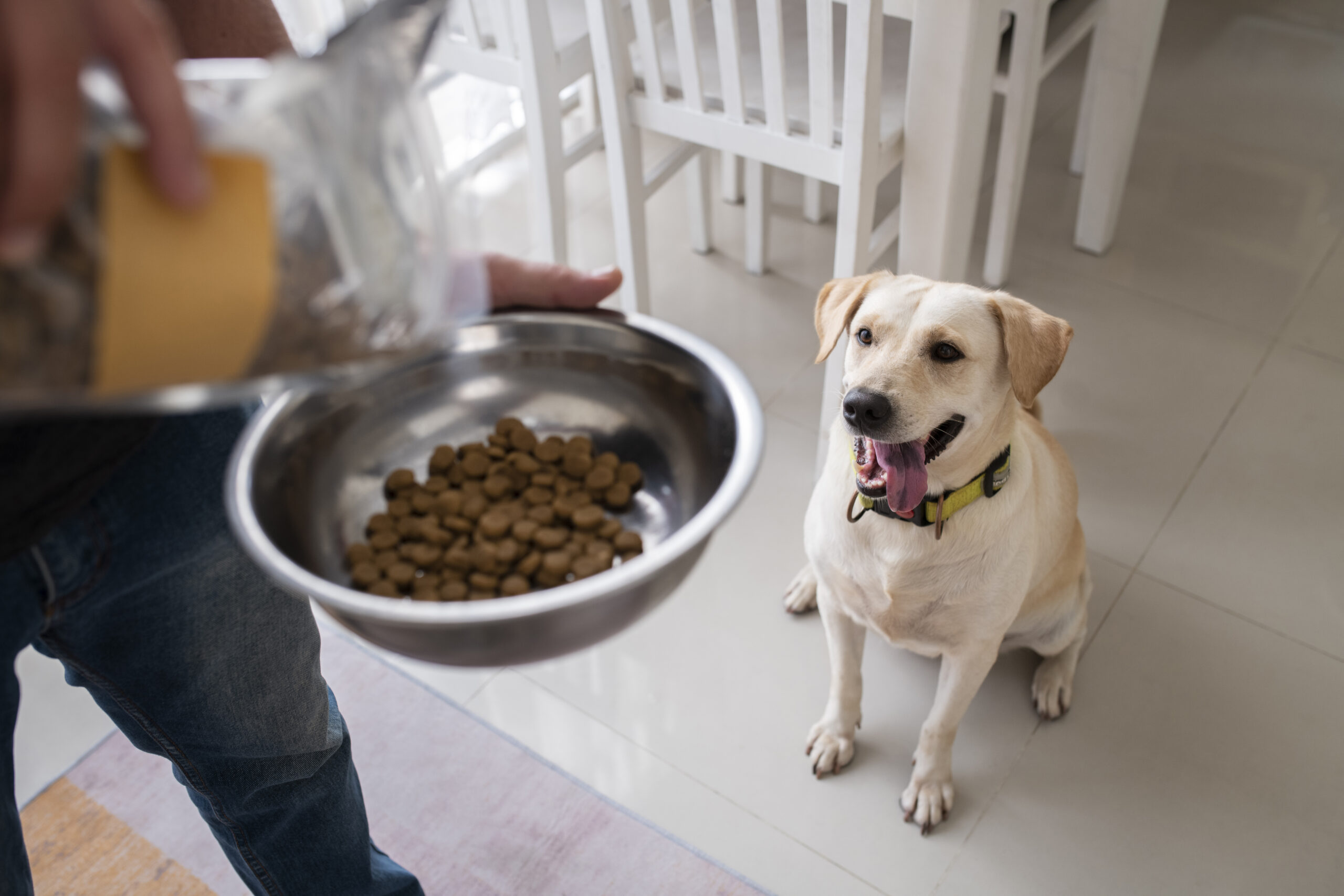
Homemade dog food allows for better control over ingredients but requires careful planning to ensure a balanced diet. Additionally, it avoids potential recalls.
A balance of protein, carbohydrates, fiber, fat, and essential minerals, differing from human dietary requirements, is required for proper nutrition for dogs.
Before transitioning your dog to home food, always consult with a veterinarian and continue to monitor your dog’s health and weight during the process.
With reports of recalls and shifting information about commercial dog foods, more dog owners are choosing to prepare their own dog food at home. Making homemade dog food is not the same as cooking meals for yourself or your family members. There are essential rules to follow to maintain your dog’s health.
Should You Feed Your Dog Vet-Approved Home-Made Dog Food?
The popularity of vet-approved dog food recipes is increasing because they help control the ingredients, eliminating the risk of dog food recalls. Many people want their pets to eat healthy meals, just like they do. Home-made diets appeal to many because they consist of Whole Foods, often considered healthier than processed dry or wet dog food.
Vet-approved dog food recipes for home cooking are not suitable for everyone. Consider the following elements before switching your dog to a home-made diet.
Ensure that you find a homemade dog food recipe that is complete and balanced. The biggest mistake you can make is to feed an incomplete and imbalanced diet to your furry friend.
Measuring the ingredients and preparing the food appropriately takes time. Ensure that you have a schedule that allows sufficient time to properly cook your dog’s food on a regular basis.
Ensure you can afford the ingredients to make a balanced homemade dog food. Usually, homemade food is less expensive than commercially prepared fresh or raw dog food. However, it usually costs more than a kibble.
If you have a dog that throws tantrums when eating, you may need to change its diet periodically to keep your dog interested.
Essential Nutrition in Home-Made Dog Cuisine
Dogs, like humans, have nutritional requirements that must be met to allow them to thrive. The nutritional needs of our dogs differ from our own. Therefore, you can’t start sharing your own dinner with your dog because you would be feeding it an incomplete or imbalanced diet, which can lead to vitamin and nutritional deficiencies in the pet.
Dogs require sufficient calories to meet their energy needs. The daily calorific need of a dog depends on its life stage and activity level. Consulting with your veterinarian will provide you with information about the daily calorie needs of your dog.
Homemade dog diets provide an appropriate balance of proteins, carbohydrates, fiber, and fat. Vitamins and minerals must be included in the food to make it a complete and balanced meal.
The daily requirements of a dog, depending on its size and activity level, may include the following:
Chicken, turkey, fish, and lean beef offer at least 10% protein.
Rice, pasta, and potatoes to provide some fiber and a minimum of 50% carbohydrates.
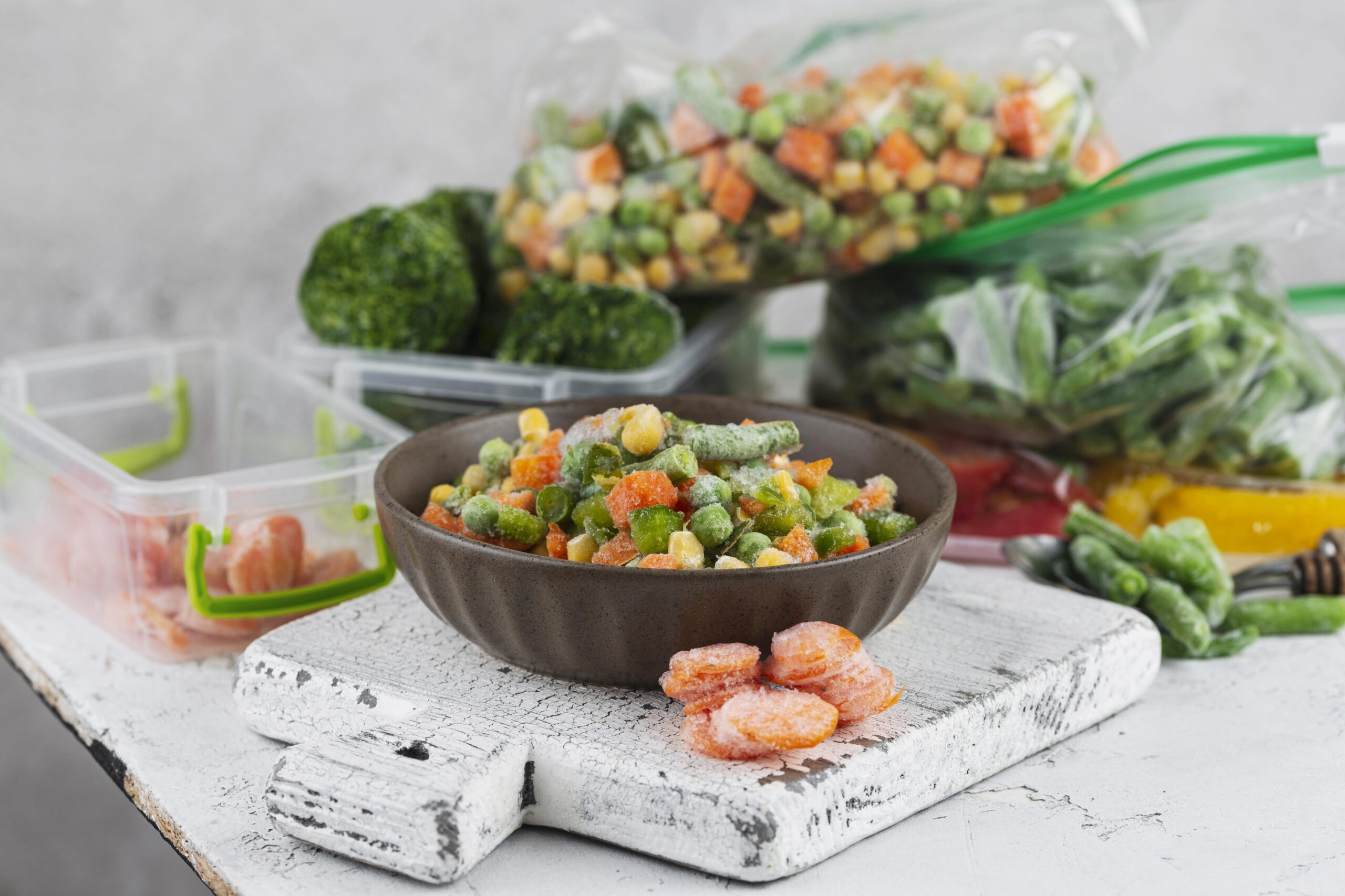
Vegetables like carrots, green beans, and peas provide 2.5 to 4.5% fiber.
Vegetable oils, providing at least 5.5% fat.
Dog-specific vitamin and mineral supplements from reputable providers.
If you are prepared to start cooking for your pet, it is advisable to consult with your veterinarian first. You may receive vet-recommended dog food recipes for small dogs or large, depending on the breed you have. You can also discuss your dog’s needs with a veterinary nutritionist or a veterinarian focusing on canine nutrition.
Things To Consider When Feeding Home-Made Dog Food.
When transitioning your dog to home-made dog food, it is essential to monitor it closely. You must remain in contact with your veterinarian to discuss any changes you observe, whether good or bad. For optimal results, maintain a record of your dog’s weight and body condition over time. Weigh your dog at least once a week and contact your veterinarian if you notice any unintended weight gain or loss. Keep an eye out for vomiting or diarrhea, which may occur if your dog is sensitive to one or more ingredients used in the food preparation. Observe and report any signs of illness you notice to your veterinarian.
Preparing Home-Made Food For Dogs
When preparing a home diet for your dog, it is essential that you follow recipes that are complete and balanced. After you and your vet have chosen an appropriate recipe, you can get started. Before beginning, arrange for the following items:
1. Before you start cooking for your dog at home, it is best that you arrange for a food scale, pots, pans, bags for portioning food, and a food processor.
2. Ensure that you purchase fresh and high-quality ingredients, refraining from considering canned, seasoned, and processed foods.
3. Set yourself up in a clean area in the kitchen free from foods harmful to dogs.
4. Measure out the ingredients you intend to use by using the food scale for accuracy.
5. Start cooking the ingredients as directed by the vet who approved the dog food recipes.
6. Mix the foods and supplements together well using a food processor to blend the ingredients.
7. Place the food in containers and store leftovers in the refrigerator or freezer.
8. Generally, refrigerated foods remain fresh for 72 to 96 hours. Frozen food is best had within 60 days. Avoid feeding your dog homemade food that has been lying in the freezer for over six months.
Many dog owners prefer to prepare food and refrigerate or freeze it in pre-portioned containers. It is an excellent idea to save time and money, but consider making smaller quantities to determine how your dog responds to the homemade food diet.
Dog Food Recipe Samples
The recipes below were created by veterinarians for use in healthy dogs. Before feeding your dog these recipes, consult with your veterinarian to ensure they are suitable for your dog’s specific needs.
Sample Dog Food Recipe by MSPCA Angell
The following recipe is offered by MSPCA Angell for a 15-pound dog without any medical conditions as a feasible alternative for interested pet owners. When fed according to instructions, the recipe is balanced for long-term feeding.
Home-made Diet Formulation: The MSPCA recommends using a dietary gram scale to weigh these foods until pet owners become familiar with the approximate volumes of each. Local grocery stores and supermarkets all sell food scales. All items are best blended together to prevent the pet from choosing single food items. Nutritionally balanced homemade foods can result in an imbalanced intake of nutrients if the ingredients are permitted to separate and are not consumed as part of the entire food mixture.
The measurements mentioned are for each food ingredient per day for a 15-pound adult dog. Final cooked whites may vary in water content and cooking times. However, weighing these ingredients offers more accuracy than merging them by volume.
Item
Grams
Common measure
Protein source: chicken dark meat cooked
80
Net weight oz
Carbohydrate source: white rice cooked
190
11/3 cups
Fiber source: mixed vegetables
15
1 teaspoon
Supplements For mixing with food: balance IT canine
6
1.5 black scoops
Total 300
The daily energy requirement of a 15 LB dog is estimated at 443 kcal, and about 1.5 kcal is fed, ensuring the dog should consume about 300 grams of this diet every day. The initial food dose was calculated using a generic dog equation; however, for any individual dog, the generic equation can be off by ±50 %. If you believe your dog requires more or less food, simply adjust the quantity by feeding more or less, taking into account a plus or minus 25% increase for proper weight and condition. Additionally, weigh the dog weekly when providing this diet.
Recipe provided by MSPCA Angell.
Home-Made Dog Food for a 20 LB Dog by Northwest Holistic Pet Care
Ingredients
8 ounces of ground boneless organic turkey thigh
2 tablespoons of ground organic turkey organ meat
¼ C finely grated organic vegetables
1 tablespoon of ground raw sunflower seeds
½ teaspoon organic coconut oil
½ teaspoon of salmon oil
500 MG citrate (essential)
You can adjust the ingredient measurements according to your dog’s weight and level of activity. The ingredient quantities listed are for a 20 LB dog receiving minimal exercise. With intense exercise, a dog’s calorific needs can quadruple. Therefore, you must monitor your dog’s weight and adjust meal portions according to calorific needs.
Instructions
Blanche the vegetables set aside. Gently cook the ground turkey thigh and organ meat using medium-low heat. Remove the meat from the burner when it is white, but some remains pinkish. Place the blanched vegetables in a food processor and pulse them until finely grated. Mix all ingredients together and serve after ensuring the mixture has cooled.
The heat from the cooking process reduces the nutritional value of the food. Gentle and partial cooking helps retain more of the food’s vitality, making it easier for some pets to digest instead of raw Food. Blanching and finally grating the vegetables makes them easier to digest and enhances nutrient absorption.
Please note
Dogs with a history of urinary tract infections or calcium oxalate stones should not be fed this diet unless approved by a veterinarian.
To track your dog’s urinary pH, which is directly associated with and impacted by their diet, you can purchase pH strips at most pharmacies. The regular pH level for dogs is 6.5.
Nutritional Supplements For A 20 LB Dog
Below are additional nutrients that can be included in the recipe above, but are not listed in the nutritional analysis table.
1 ½ tablespoons of ground parsley, burdock root, zucchini, or other greens every day.
¼ Teaspoon of cod liver oil three times weekly is excellent to prevent cancer.
Homemade dog food allows for better control over ingredients but requires careful planning to ensure a balanced diet. Additionally, it avoids potential recalls.
A balance of protein, carbohydrates, fiber, fat, and essential minerals, differing from human dietary requirements, is required for proper nutrition for dogs.
Before transitioning your dog to home food, always consult with a veterinarian and continue to monitor your dog’s health and weight during the process.
With reports of recalls and shifting information about commercial dog foods, more dog owners are choosing to prepare their own dog food at home. Making homemade dog food is not the same as cooking meals for yourself or your family members. There are essential rules to follow to maintain your dog’s health.
Should You Feed Your Dog Vet-Approved Home-Made Dog Food?
The popularity of vet-approved dog food recipes is increasing because they help control the ingredients, eliminating the risk of dog food recalls. Many people want their pets to eat healthy meals, just like they do. Home-made diets appeal to many because they consist of Whole Foods, often considered healthier than processed dry or wet dog food.
Vet-approved dog food recipes for home cooking are not suitable for everyone. Consider the following elements before switching your dog to a home-made diet.
Ensure that you find a homemade dog food recipe that is complete and balanced. The biggest mistake you can make is to feed an incomplete and imbalanced diet to your furry friend.
Measuring the ingredients and preparing the food appropriately takes time. Ensure that you have a schedule that allows sufficient time to properly cook your dog’s food on a regular basis.
Ensure you can afford the ingredients to make a balanced homemade dog food. Usually, homemade food is less expensive than commercially prepared fresh or raw dog food. However, it usually costs more than a kibble.
If you have a dog that throws tantrums when eating, you may need to change its diet periodically to keep your dog interested.
Essential Nutrition in Home-Made Dog Cuisine
Dogs, like humans, have nutritional requirements that must be met to allow them to thrive. The nutritional needs of our dogs differ from our own. Therefore, you can’t start sharing your own dinner with your dog because you would be feeding it an incomplete or imbalanced diet, which can lead to vitamin and nutritional deficiencies in the pet.
Dogs require sufficient calories to meet their energy needs. The daily calorific need of a dog depends on its life stage and activity level. Consulting with your veterinarian will provide you with information about the daily calorie needs of your dog.
Homemade dog diets provide an appropriate balance of proteins, carbohydrates, fiber, and fat. Vitamins and minerals must be included in the food to make it a complete and balanced meal.
The daily requirements of a dog, depending on its size and activity level, may include the following:
Chicken, turkey, fish, and lean beef offer at least 10% protein.
Rice, pasta, and potatoes to provide some fiber and a minimum of 50% carbohydrates.
Vegetables like carrots, green beans, and peas provide 2.5 to 4.5% fiber.
Vegetable oils, providing at least 5.5% fat.
Dog-specific vitamin and mineral supplements from reputable providers.
If you are prepared to start cooking for your pet, it is advisable to consult with your veterinarian first. You may receive vet-recommended dog food recipes for small dogs or large, depending on the breed you have. You can also discuss your dog’s needs with a veterinary nutritionist or a veterinarian focusing on canine nutrition.
Things To Consider When Feeding Home-Made Dog Food.
When transitioning your dog to home-made dog food, it is essential to monitor it closely. You must remain in contact with your veterinarian to discuss any changes you observe, whether good or bad. For optimal results, maintain a record of your dog’s weight and body condition over time. Weigh your dog at least once a week and contact your veterinarian if you notice any unintended weight gain or loss. Keep an eye out for vomiting or diarrhea, which may occur if your dog is sensitive to one or more ingredients used in the food preparation. Observe and report any signs of illness you notice to your veterinarian.
Preparing Home-Made Food For Dogs
When preparing a home diet for your dog, it is essential that you follow recipes that are complete and balanced. After you and your vet have chosen an appropriate recipe, you can get started. Before beginning, arrange for the following items:
1. Before you start cooking for your dog at home, it is best that you arrange for a food scale, pots, pans, bags for portioning food, and a food processor.
2. Ensure that you purchase fresh and high-quality ingredients, refraining from considering canned, seasoned, and processed foods.
3. Set yourself up in a clean area in the kitchen free from foods harmful to dogs.
4. Measure out the ingredients you intend to use by using the food scale for accuracy.
5. Start cooking the ingredients as directed by the vet who approved the dog food recipes.
6. Mix the foods and supplements together well using a food processor to blend the ingredients.
7. Place the food in containers and store leftovers in the refrigerator or freezer.
8. Generally, refrigerated foods remain fresh for 72 to 96 hours. Frozen food is best had within 60 days. Avoid feeding your dog homemade food that has been lying in the freezer for over six months.
Many dog owners prefer to prepare food and refrigerate or freeze it in pre-portioned containers. It is an excellent idea to save time and money, but consider making smaller quantities to determine how your dog responds to the homemade food diet.
Dog Food Recipe Samples
The recipes below were created by veterinarians for use in healthy dogs. Before feeding your dog these recipes, consult with your veterinarian to ensure they are suitable for your dog’s specific needs.
Sample Dog Food Recipe by MSPCA Angell
The following recipe is offered by MSPCA Angell for a 15-pound dog without any medical conditions as a feasible alternative for interested pet owners. When fed according to instructions, the recipe is balanced for long-term feeding.
Home-made Diet Formulation: The MSPCA recommends using a dietary gram scale to weigh these foods until pet owners become familiar with the approximate volumes of each. Local grocery stores and supermarkets all sell food scales. All items are best blended together to prevent the pet from choosing single food items. Nutritionally balanced homemade foods can result in an imbalanced intake of nutrients if the ingredients are permitted to separate and are not consumed as part of the entire food mixture.
The measurements mentioned are for each food ingredient per day for a 15-pound adult dog. Final cooked whites may vary in water content and cooking times. However, weighing these ingredients offers more accuracy than merging them by volume.
Item
Grams
Common measure
Protein source: chicken dark meat cooked
80
Net weight oz
Carbohydrate source: white rice cooked
190
11/3 cups
Fiber source: mixed vegetables
15
1 teaspoon
Supplements For mixing with food: balance IT canine
6
1.5 black scoops
Total 300
The daily energy requirement of a 15 LB dog is estimated at 443 kcal, and about 1.5 kcal is fed, ensuring the dog should consume about 300 grams of this diet every day. The initial food dose was calculated using a generic dog equation; however, for any individual dog, the generic equation can be off by ±50 %. If you believe your dog requires more or less food, simply adjust the quantity by feeding more or less, taking into account a plus or minus 25% increase for proper weight and condition. Additionally, weigh the dog weekly when providing this diet.
Recipe provided by MSPCA Angell.
Home-Made Dog Food for a 20 LB Dog by Northwest Holistic Pet Care
Ingredients
8 ounces of ground boneless organic turkey thigh
2 tablespoons of ground organic turkey organ meat
¼ C finely grated organic vegetables
1 tablespoon of ground raw sunflower seeds
½ teaspoon organic coconut oil
½ teaspoon of salmon oil
500 MG citrate (essential)
You can adjust the ingredient measurements according to your dog’s weight and level of activity. The ingredient quantities listed are for a 20 LB dog receiving minimal exercise. With intense exercise, a dog’s calorific needs can quadruple. Therefore, you must monitor your dog’s weight and adjust meal portions according to calorific needs.
Instructions
Blanche the vegetables set aside. Gently cook the ground turkey thigh and organ meat using medium-low heat. Remove the meat from the burner when it is white, but some remains pinkish. Place the blanched vegetables in a food processor and pulse them until finely grated. Mix all ingredients together and serve after ensuring the mixture has cooled.
The heat from the cooking process reduces the nutritional value of the food. Gentle and partial cooking helps retain more of the food’s vitality, making it easier for some pets to digest instead of raw Food. Blanching and finally grating the vegetables makes them easier to digest and enhances nutrient absorption.
Please note
Dogs with a history of urinary tract infections or calcium oxalate stones should not be fed this diet unless approved by a veterinarian.
To track your dog’s urinary pH, which is directly associated with and impacted by their diet, you can purchase pH strips at most pharmacies. The regular pH level for dogs is 6.5.
Nutritional Supplements For A 20 LB Dog
Below are additional nutrients that can be included in the recipe above, but are not listed in the nutritional analysis table.
1 ½ tablespoons of ground parsley, burdock root, zucchini, or other greens every day.
¼ Teaspoon of cod liver oil three times weekly is excellent to prevent cancer.













No Comments