Upset beautiful 60 year old woman sitting on gray chair in living room, touching forehead and looking at open copybook on her lap, feeling frustrated because she forgot about important meeting
After succeeding with anxiety treatment, it can feel like you have conquered a mountain. However, the long-term journey to well-being just begins and doesn’t end at this stage. Similar to any other skills you have learned, maintaining progress and preventing relapse requires consistent effort and proactive strategies.
The Importance Of Relapse Prevention
While cognitive behavioral therapy provides a powerful tool to manage anxiety, life continues to throw surprises in the form of stressful events, routine changes, or subtle shifts in thinking patterns to trigger a relapse. Therefore, the critical aspects of ensuring CBT’s long-term effectiveness are Maintenance and Relapse Prevention (MRP)
Critical MRP Strategies for Anxiety Management
If you intend to pursue long-term anxiety management, consider the following elements:
Anxiety can be life-altering, affecting the quality of your life and the happiness of those around you.
It is a common condition affecting approximately 18.4% people in the United States.
If, after recovering from the condition, you intend to remain out of it, you must follow the strategies mentioned below for preventing anxiety relapse.
How to Prevent Anxiety Relapse after Therapy?
Exercise Regularly
The best thing you can do for your mental health is exercise regularly. Exercise helps in the treatment and prevention of anxiety in several crucial ways.
Exercise increases your body temperature, which has a calming effect on the central nervous system.
Exercise encourages the release of endorphins in the brain, which helps boost mood.
Regular activity minimizes immune system responses that help worsen anxiety.
Exercises of all types help treat anxiety, but moving frequently can assist in getting the benefits. To exercise more, you can:
Join a sports team or studio where you will be part of a community and remain active.
Use the stairs instead of the elevator.
Make it a habit, as it is the optimal way to maintain your fitness levels, which is effective in preventing anxiety relapse.
Refrain from Social Media
According to research, spending more time on social media worsens feelings of anxiety and low self-esteem. Social media is addictive, but for many people, it is a necessity for staying connected with family, friends, and coworkers.
If refraining from social media is not realistic for your lifestyle, limit social media time to help prevent anxiety relapse. You can succeed by:
Eliminating all social media apps from your phone and refraining from instinctive use.
Use website blocking extensions that only permit you to use certain sites for preset times.
If you need to visit social media, do so with a purpose and avoid scrolling or logging in just to kill time.
Build Robust Relationships
Having a robust support system with an active social life is essential for our mental health. Research reveals that a lack of social support contributes to worsening anxiety symptoms.
Ensure that you regularly connect with family and friends, even when busy. Attending social events whenever possible and discovering new hobbies helps you meet new people and build strong relationships.
Minimize Daily Choices
Have you come across a situation where you entered a mall and unexpectedly realized you didn’t know what you wanted to buy? Researchers believe having too many choices can cause significant stress, leading to anxiety.
Many people don’t realize life is filled with choices. Which outfit to wear, or should I purchase yogurt, eggs, English muffins, or sausages for breakfast? The pressure of making the right or wrong decisions is considered to contribute to anxiety.
If making choices makes you anxious, you can:
Learn to decide more quickly.
Minimize the decisions you must make during the week. Plan your outfits and prepare your meals in advance. You can even consider using apps to randomize your options and select for you for some fun.
Reduce Stress
Chronic stress is an avoidable cause of anxiety. Learning coping strategies for anxiety is essential to enhance mental health. To manage stress, consider:
Avoid over-committing to things.
Practice mindfulness and meditation.
Learn to let go of things when you can manage them.
Stress is one of the trickiest causes of anxiety and is challenging to manage. You might want to consider boosting therapy sessions for anxiety with your therapist, as it can be an excellent way to learn effective strategies to cope with the anxiety whenever it pops up.
Continue with Your Treatment Plan
If you have already experienced one anxiety episode, the chances of experiencing another are high. That is why it is essential to continue ongoing therapy. It includes:
Never stop prescription medications abruptly, but continue them.
Visiting your therapist for maintenance appointments is often recommended, especially when in remission.
Consistently practice the coping mechanisms and skills your therapist taught you.
Getting Plenty of Sleep
When maintaining recovery from anxiety, it is essential to get high-quality sleep for mental and physical health. In reality, insomnia significantly increases the chances of developing anxiety again. Your booster sessions for therapy will go to waste if you don’t get good quality sleep. To achieve your goal, you can:
Avoid screen time at least two hours before bedtime (including your phone).
Meditate before bed.
Use a comfortable mattress.
Refrain from caffeine after noon.
Avoid Toxic People
We all meet people who make us feel bad about ourselves. Occasionally, they are outright bullies, and at other times, they put us down subtly to make themselves feel better. They may even be someone who takes advantage of us.
Being in the company of supportive people is essential, but knowing when to stay away from those who contribute to your anxiety can also make a difference.
According to research from 2012, it was discovered that negative social interactions are associated with higher levels of two proteins called cytokines. These proteins are linked with inflammation and anxiety.
Eat Well
Research confirms that eating a high-fat diet regularly has similar effects to those of chronic stress that causes anxiety. Additionally, an unhealthy diet also deprives our body of vital nutrients necessary to maintain physical and mental health.
To minimize the chances of worsening anxiety with your diet, consider eating balanced meals with lean protein and plenty of fruits and vegetables. Eliminate processed foods from your diet and incorporate more omega-3-rich foods, such as salmon and nuts.
Maintain Your Weight
Anxiety causes weight fluctuations to result in low self-esteem, especially when you add the judgments and criticisms of people. For numerous people, it can become a vicious cycle. Public health experts have discovered a correlation between being overweight or underweight and experiencing anxiety.
Exercising regularly, eating a balanced diet, and prioritizing sleep can help maintain a healthy weight. If you confront challenges when managing your weight because of anxiety, consider long-term self-help plans for anxiety.
Manage Chronic Conditions
If you have chronic conditions, your chances of developing anxiety are higher. Chronic conditions are not something that are avoidable, but in many cases, you may be able to manage them.
If you have a chronic condition, you should always:
Consider booster therapy sessions for anxiety.
Follow your treatment plan stringently.
Take your medications and adhere to your doctor’s recommendations for lifestyle changes.
Understand Prescription Medication Side Effects
Various prescription medications cause anxiety as a side effect. Therefore, it is helpful to read prescription labels carefully before taking them. If you are worried about taking a medication prescribed by your doctor and one life other medications or treatments can resolve your condition without anxiety as a side effect, talk to your doctor.
Some medications that cause anxiety include:
Hormonal medications.
Beta-blockers.
Corticosteroids.
Anticonvulsants.
Minimize Alcohol or Drug Use
Excessive alcohol and drug use not only has links to higher chances of anxiety but also high chances of anxiety relapse. Therefore, you must limit alcohol intake and quit drug use as safely as possible. You can collect information about guidelines for moderation from your doctor to start cutting back and preventing anxiety.
Quit Tobacco
Smoking increases the chances of anxiety. To quit smoking, you can:
Concentrate on your reason for quitting and remember it every time you feel tempted.
When you consider reducing your tobacco use, know what to expect before you start.
Keep your friends informed about your goals and ask them to hold you accountable for failures.
If one of your friends is quitting, consider joining them to offer support and company.
In summary, managing anxiety is a journey that impacts all areas of life and often requires careful adjustment of strategies over time.
If you experience symptoms of anxiety, do not hesitate to contact your mental health provider for assistance instead of trying out tips not authenticated by medical professionals.
Upset beautiful 60 year old woman sitting on gray chair in living room, touching forehead and looking at open copybook on her lap, feeling frustrated because she forgot about important meeting
After succeeding with anxiety treatment, it can feel like you have conquered a mountain. However, the long-term journey to well-being just begins and doesn’t end at this stage. Similar to any other skills you have learned, maintaining progress and preventing relapse requires consistent effort and proactive strategies.
The Importance Of Relapse Prevention
While cognitive behavioral therapy provides a powerful tool to manage anxiety, life continues to throw surprises in the form of stressful events, routine changes, or subtle shifts in thinking patterns to trigger a relapse. Therefore, the critical aspects of ensuring CBT’s long-term effectiveness are Maintenance and Relapse Prevention (MRP)
Critical MRP Strategies for Anxiety Management
If you intend to pursue long-term anxiety management, consider the following elements:
Anxiety can be life-altering, affecting the quality of your life and the happiness of those around you.
It is a common condition affecting approximately 18.4% people in the United States.
If, after recovering from the condition, you intend to remain out of it, you must follow the strategies mentioned below for preventing anxiety relapse.
How to Prevent Anxiety Relapse after Therapy?
Exercise Regularly
The best thing you can do for your mental health is exercise regularly. Exercise helps in the treatment and prevention of anxiety in several crucial ways.
Exercise increases your body temperature, which has a calming effect on the central nervous system.
Exercise encourages the release of endorphins in the brain, which helps boost mood.
Regular activity minimizes immune system responses that help worsen anxiety.
Exercises of all types help treat anxiety, but moving frequently can assist in getting the benefits. To exercise more, you can:
Join a sports team or studio where you will be part of a community and remain active.
Use the stairs instead of the elevator.
Make it a habit, as it is the optimal way to maintain your fitness levels, which is effective in preventing anxiety relapse.
Refrain from Social Media
According to research, spending more time on social media worsens feelings of anxiety and low self-esteem. Social media is addictive, but for many people, it is a necessity for staying connected with family, friends, and coworkers.
If refraining from social media is not realistic for your lifestyle, limit social media time to help prevent anxiety relapse. You can succeed by:
Eliminating all social media apps from your phone and refraining from instinctive use.
Use website blocking extensions that only permit you to use certain sites for preset times.
If you need to visit social media, do so with a purpose and avoid scrolling or logging in just to kill time.
Build Robust Relationships
Having a robust support system with an active social life is essential for our mental health. Research reveals that a lack of social support contributes to worsening anxiety symptoms.
Ensure that you regularly connect with family and friends, even when busy. Attending social events whenever possible and discovering new hobbies helps you meet new people and build strong relationships.
Minimize Daily Choices
Have you come across a situation where you entered a mall and unexpectedly realized you didn’t know what you wanted to buy? Researchers believe having too many choices can cause significant stress, leading to anxiety.
Many people don’t realize life is filled with choices. Which outfit to wear, or should I purchase yogurt, eggs, English muffins, or sausages for breakfast? The pressure of making the right or wrong decisions is considered to contribute to anxiety.
If making choices makes you anxious, you can:
Learn to decide more quickly.
Minimize the decisions you must make during the week. Plan your outfits and prepare your meals in advance. You can even consider using apps to randomize your options and select for you for some fun.
Reduce Stress
Chronic stress is an avoidable cause of anxiety. Learning coping strategies for anxiety is essential to enhance mental health. To manage stress, consider:
Avoid over-committing to things.
Practice mindfulness and meditation.
Learn to let go of things when you can manage them.
Stress is one of the trickiest causes of anxiety and is challenging to manage. You might want to consider boosting therapy sessions for anxiety with your therapist, as it can be an excellent way to learn effective strategies to cope with the anxiety whenever it pops up.
Continue with Your Treatment Plan
If you have already experienced one anxiety episode, the chances of experiencing another are high. That is why it is essential to continue ongoing therapy. It includes:
Never stop prescription medications abruptly, but continue them.
Visiting your therapist for maintenance appointments is often recommended, especially when in remission.
Consistently practice the coping mechanisms and skills your therapist taught you.
Getting Plenty of Sleep
When maintaining recovery from anxiety, it is essential to get high-quality sleep for mental and physical health. In reality, insomnia significantly increases the chances of developing anxiety again. Your booster sessions for therapy will go to waste if you don’t get good quality sleep. To achieve your goal, you can:
Avoid screen time at least two hours before bedtime (including your phone).
Meditate before bed.
Use a comfortable mattress.
Refrain from caffeine after noon.
Avoid Toxic People
We all meet people who make us feel bad about ourselves. Occasionally, they are outright bullies, and at other times, they put us down subtly to make themselves feel better. They may even be someone who takes advantage of us.
Being in the company of supportive people is essential, but knowing when to stay away from those who contribute to your anxiety can also make a difference.
According to research from 2012, it was discovered that negative social interactions are associated with higher levels of two proteins called cytokines. These proteins are linked with inflammation and anxiety.
Eat Well
Research confirms that eating a high-fat diet regularly has similar effects to those of chronic stress that causes anxiety. Additionally, an unhealthy diet also deprives our body of vital nutrients necessary to maintain physical and mental health.
To minimize the chances of worsening anxiety with your diet, consider eating balanced meals with lean protein and plenty of fruits and vegetables. Eliminate processed foods from your diet and incorporate more omega-3-rich foods, such as salmon and nuts.
Maintain Your Weight
Anxiety causes weight fluctuations to result in low self-esteem, especially when you add the judgments and criticisms of people. For numerous people, it can become a vicious cycle. Public health experts have discovered a correlation between being overweight or underweight and experiencing anxiety.
Exercising regularly, eating a balanced diet, and prioritizing sleep can help maintain a healthy weight. If you confront challenges when managing your weight because of anxiety, consider long-term self-help plans for anxiety.
Manage Chronic Conditions
If you have chronic conditions, your chances of developing anxiety are higher. Chronic conditions are not something that are avoidable, but in many cases, you may be able to manage them.
If you have a chronic condition, you should always:
Consider booster therapy sessions for anxiety.
Follow your treatment plan stringently.
Take your medications and adhere to your doctor’s recommendations for lifestyle changes.
Understand Prescription Medication Side Effects
Various prescription medications cause anxiety as a side effect. Therefore, it is helpful to read prescription labels carefully before taking them. If you are worried about taking a medication prescribed by your doctor and one life other medications or treatments can resolve your condition without anxiety as a side effect, talk to your doctor.
Some medications that cause anxiety include:
Hormonal medications.
Beta-blockers.
Corticosteroids.
Anticonvulsants.
Minimize Alcohol or Drug Use
Excessive alcohol and drug use not only has links to higher chances of anxiety but also high chances of anxiety relapse. Therefore, you must limit alcohol intake and quit drug use as safely as possible. You can collect information about guidelines for moderation from your doctor to start cutting back and preventing anxiety.
Quit Tobacco
Smoking increases the chances of anxiety. To quit smoking, you can:
Concentrate on your reason for quitting and remember it every time you feel tempted.
When you consider reducing your tobacco use, know what to expect before you start.
Keep your friends informed about your goals and ask them to hold you accountable for failures.
If one of your friends is quitting, consider joining them to offer support and company.
In summary, managing anxiety is a journey that impacts all areas of life and often requires careful adjustment of strategies over time.
If you experience symptoms of anxiety, do not hesitate to contact your mental health provider for assistance instead of trying out tips not authenticated by medical professionals.





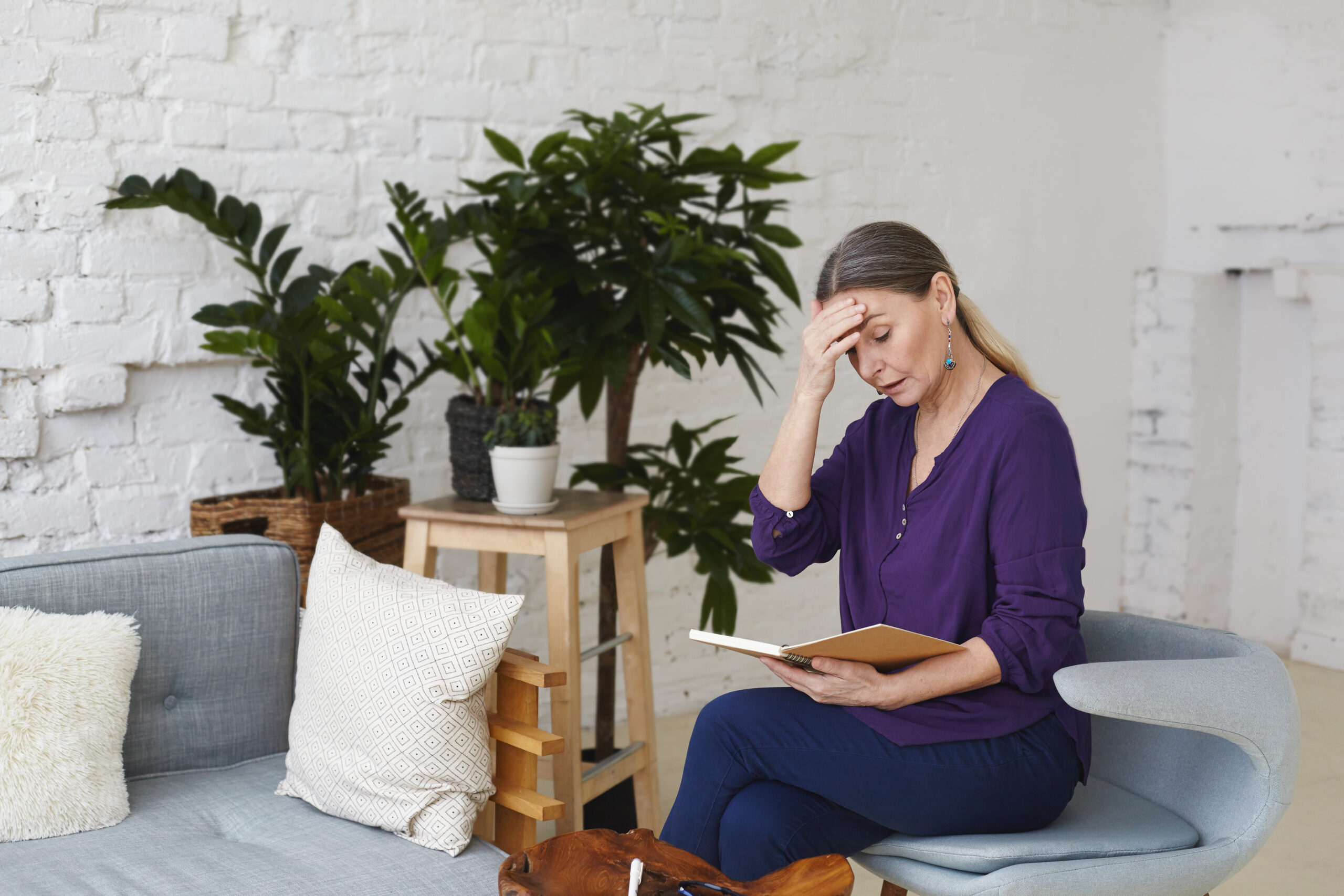 Upset beautiful 60 year old woman sitting on gray chair in living room, touching forehead and looking at open copybook on her lap, feeling frustrated because she forgot about important meeting










No Comments