Key Takeaways
- Engaging in regular physical exercise can help alleviate anxiety symptoms by influencing brain chemistry and promoting relaxation.
- Altering dietary habits, such as minimizing alcohol, tobacco, and caffeine intake while incorporating a diet rich in nutrients, may assist in stabilizing mood and alleviating anxiety.
- Employing mindful practices like meditation, deep breathing exercises, and drinking chamomile tea can promote tranquility and lessen anxiety symptoms.
- Anxiety is associated with a stress response, which may be beneficial. Anxiety makes you aware of threats, encourages you to remain organized and prepared, and helps you consider risks.
Unfortunately, when you are persistently experiencing stress, it may turn into an anxiety disorder or other mental health issues, where natural remedies for anxiety may help.
The Definition of Anxiety
Anxiety is the body’s natural reaction to stress. It is a feeling of fear or concern resulting from various factors that researchers believe may range from environment to genetics and brain chemistry. Symptoms of anxiety may include:
Anxiety manifests in various ways among individuals. You may feel a fluttering sensation in your stomach. Another individual may encounter:
Ongoing apprehension about different situations that have occurred or might point to an anxiety disorder or a related issue.
Anxiety is a crucial factor in conditions like:
- Post-Traumatic Stress Disorder (PTSD).
- Obsessive-compulsive disorder (OCD).
- Generalized Anxiety Disorder (GAD).
While you can naturally approach a mental health care provider for assistance with stress, we suggest trying lifestyle changes for anxiety that are also helpful. Below, please find some tips to help you overcome anxiety naturally.
10 Natural Approaches for Managing Anxiety
1. Stay Active
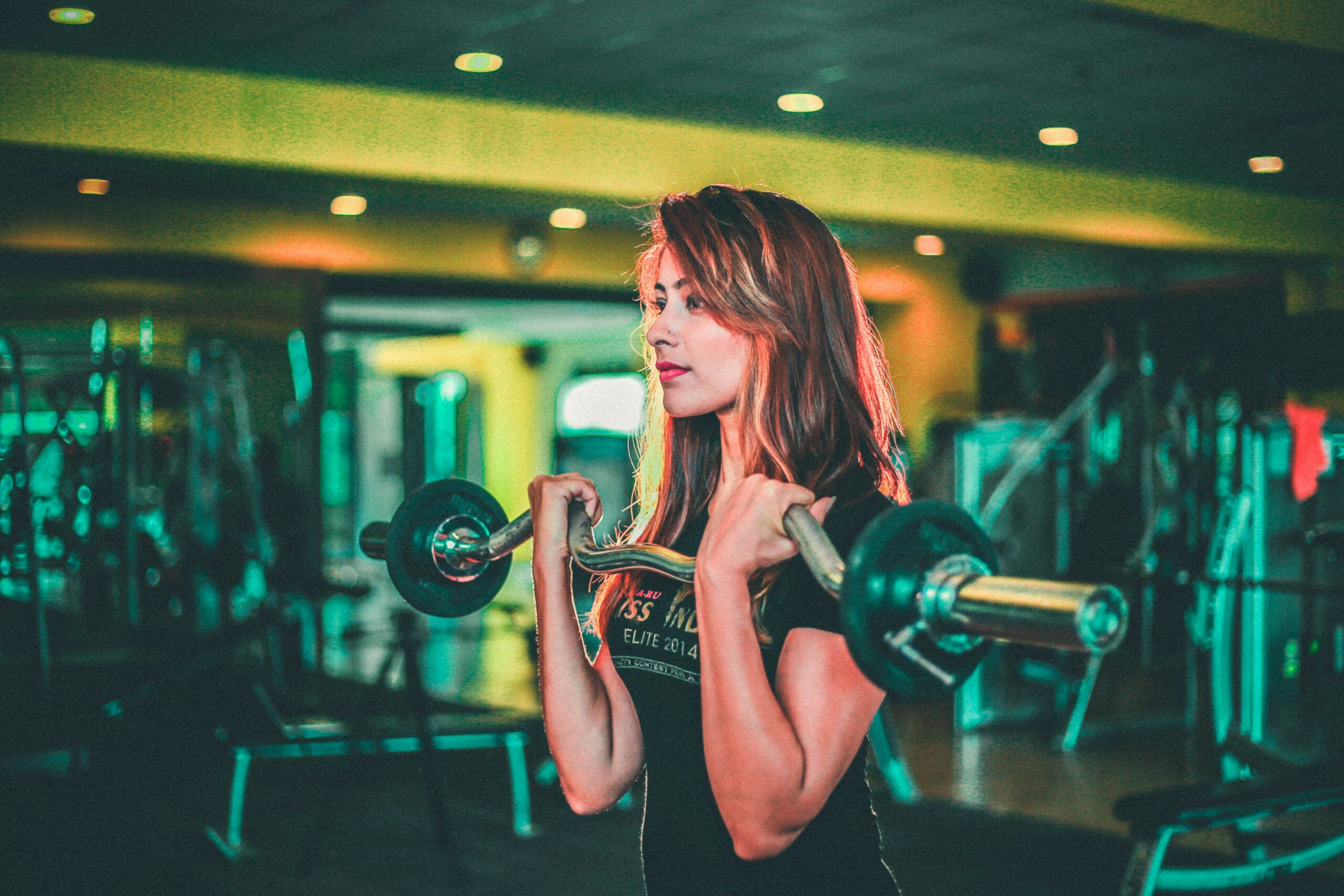
According to research from 2021, people who were physically active had about 60% lower chances of developing anxiety symptoms. The percentage was compared to that of matched individuals in the general population of approximately 400,000 people over a 21-year period.
Exercise helps divert your attention from thoughts that may increase anxiety. Increasing your heart rate generates changes in brain chemistry, including in antianxiety neurotransmitters such as:
- Gamma-Aminobutyric Acid (GABA)
- (BDNF) Brain-Derived Neurotrophic Factor
The American Psychological Association (APA) states that regular exercise improves concentration and willpower, which enhances certain anxiety symptoms.
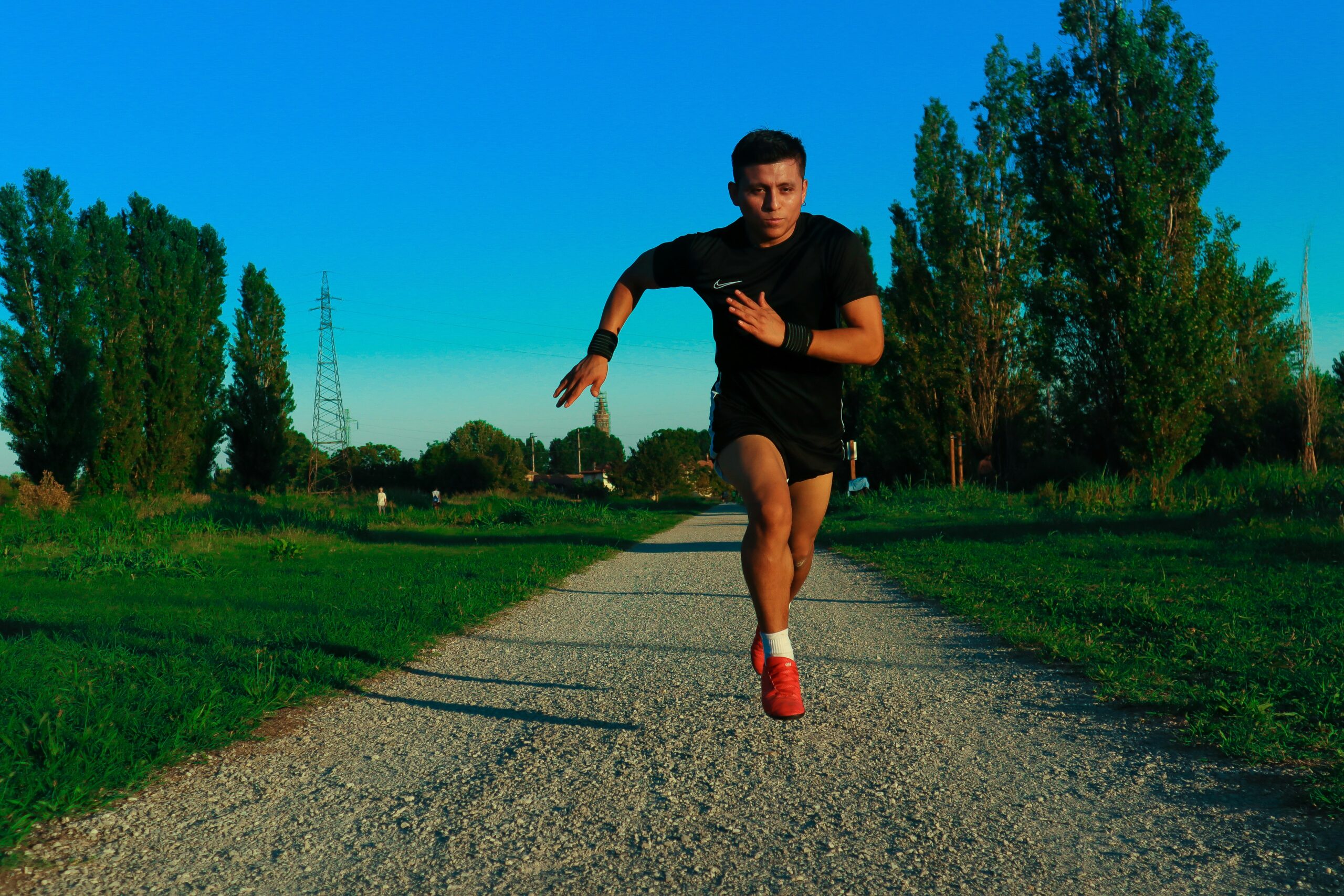
If you are looking to increase your heart rate and exercise for anxiety relief, high-intensity interval training or running is optimal for your needs. However, if you are looking to start with some low-intensity movements, workouts like Pilates and yoga are excellent. Therefore, an exercise routine for anxiety relief also helps relieve the symptoms.
2. Limit Alcohol Consumption
Consuming high quantities of alcohol interferes with brain messengers involved in regulating your mood. The interference may cause imbalances that may manifest as anxiety symptoms.
Studies from 2019 indicate that there are links between anxiety and alcohol consumption, with anxiety and alcohol use disorder (AUD) occurring hand-in-hand.
According to research in 2016, looking at 63 different studies, it was displayed that decreasing alcohol intake can improve anxiety and depression symptoms.
Studies in 2022 conducted across 36 years proved that alcohol disrupts your body’s natural sleep ability, which may diminish further sleep quality over time. Sleep deprivation increases your risk of developing chronic sleep issues. When managing anxiety, a good night’s sleep is essential.
If you consume alcohol regularly, your symptoms of anxiety may increase temporarily when you stop drinking. However, the symptoms tend to improve over time.
3. Quitting Tobacco
Studies from 2020 connected evidence that smoking in any form and anxiety symptoms coexist. Consistent research has shown that people with anxiety are more likely to use tobacco. In addition, a 2023 study confirmed that quitting smoking significantly enhanced anxiety symptoms.
According to research conducted in 2020, nicotine and other chemicals in cigarettes alter pathways in the brain associated with anxiety and panic disorder symptoms.
The CDC, or Centers for Disease Control and Prevention, suggests finding a substitute for cigarettes, such as using toothpicks or chewing gum.
If you are wondering how to manage anxiety naturally without medication, quitting cigarettes is one solution we provide. To achieve your goal, consider adopting habits that are destructive to create an environment that is helpful for your smoke-free life. Additionally, you can plan with a support system that provides everything from encouragement to distractions.
4. Limit Caffeine Intake
Caffeine causes or exacerbates anxiety disorders. A review of 10 studies conducted in 2022 reported that caffeine increases anxiety and panic attacks in people living with and without panic disorders. Some people experienced greatly enhanced symptoms when they eliminated caffeine.
The Diagnostic and Statistical Manual of Mental Disorders, fifth edition, officially recognizes caffeine-induced anxiety disorder. The publication by the American Psychiatric Association is the reference handbook used by most US mental health professionals.
Caffeine-induced anxiety disorder involves caffeine’s interference with everyday functioning. A diagnosis requires an individual experiencing anxiety symptoms related to caffeine consumption.
According to research from 2021, caffeine increases alertness by inhibiting the brain chemical that causes tiredness (adenosine) while simultaneously triggering the release of adrenaline, also known as the fight-or-flight hormone. Having said that, we confirm that a moderate intake of caffeine is generally safe for most individuals.
However, if you are looking to quit caffeine altogether, you may want to begin slowly by reducing your caffeine intake daily. When you gradually reduce caffeine consumption over a few weeks, it helps your body adjust to caffeine withdrawal without experiencing major concerns.
5. Prioritize Getting a Good Night’s Sleep
Research in 2018 found that out of 400,000 people, nearly 33% get fewer than six hours of sleep per night, in contrast to the CDC’s recommendation of seven hours per day. Anxiety and sleep are interrelated, making it essential for you to improve sleep hygiene by:
- Sleeping when you are tired.
- Avoiding television or books in bed.
- Limiting electronic device use in bed.
- Instead of turning and tossing in your bed, get up.
- Going to another room if you can’t sleep, even if it is the bathroom.
- Refraining from caffeine, large meals, and nicotine before bed.
- Make notes of your thoughts before going to bed.
- Going to sleep at the same time every day.
6. Meditation and Mindfulness Practice
The primary goal of meditation is to achieve complete awareness of the current moment, which encompasses recognizing thoughts without judgment. This practice helps foster tranquillity and satisfaction by improving your capacity to mindfully accept all thoughts and emotions.
Meditation helps relieve stress and anxiety. Mindfulness-based cognitive therapy (MBCT), a version of talk therapy, combines meditation and mindfulness strategies with CBT techniques to help.
A randomized clinical study from 2023 reported that an eight-week mindfulness-based stress reduction program helped relieve anxiety symptoms as much as the regularly prescribed antidepressant Lexapro.
7. Having a Nutrient-Dense Diet
If you think dehydration, low blood sugar levels, or chemicals in processed food affect your mood, it helps to understand that a high-sugar diet also impacts your feelings.
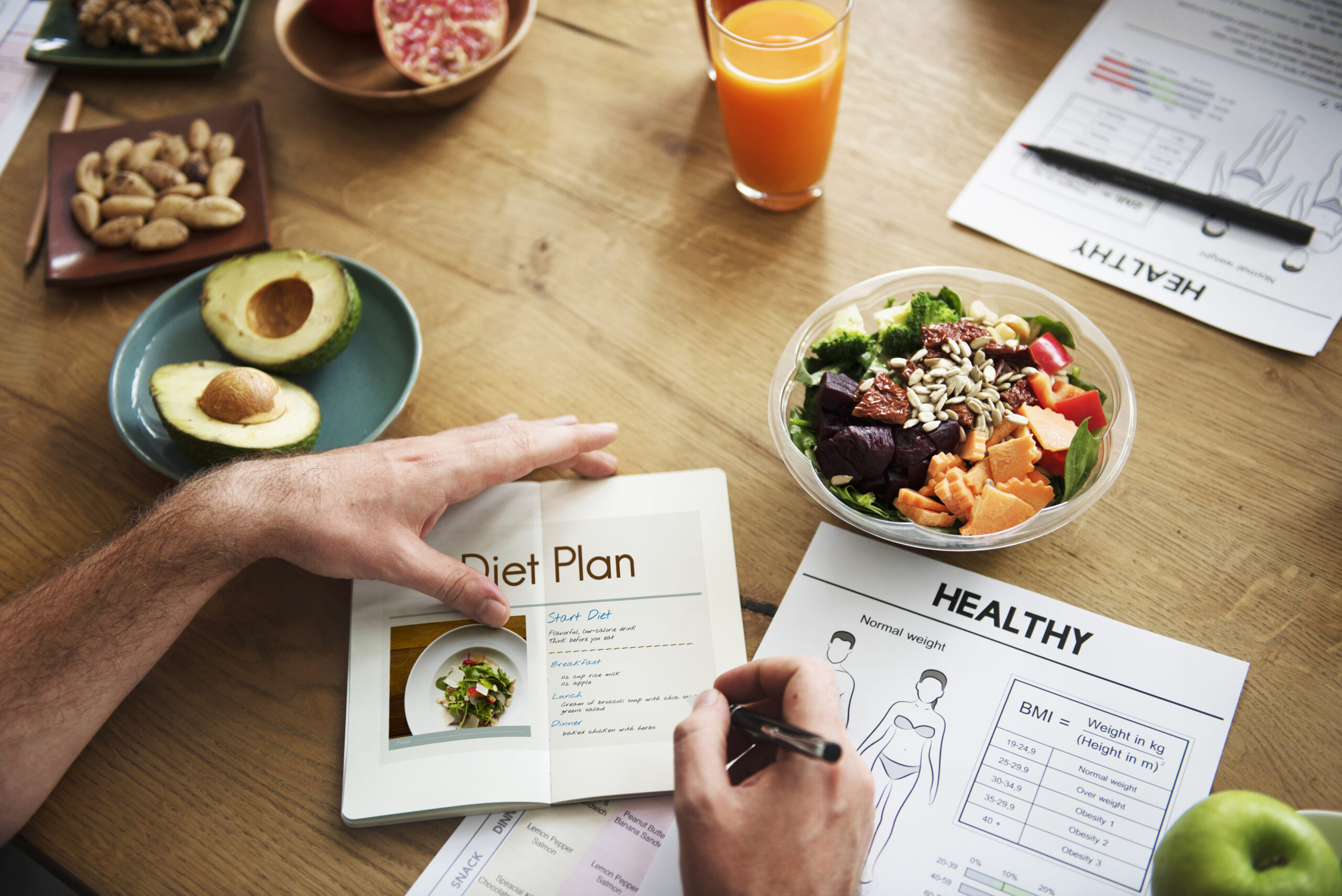
If your anxiety worsens after eating, consider evaluating your eating habits. Stay hydrated, eliminate processed foods, and eat a balanced diet rich in carbohydrates, fruits, and vegetables, along with lean proteins, as these foods can help reduce anxiety.
8. Engage in Deep Breathing Exercises
Shallow and fast breathing is common with anxiety. It results in a rapid heart rate, dizziness, or lightheadedness, or even a panic attack.
Deep breathing exercises, the deliberate process of breathing slowly with deep breaths, can help restore regular breathing patterns to reduce symptoms of anxiety at the moment.
9. Aromatherapy
A holistic treatment that has been used by humans for centuries is known as aromatherapy. This practice utilizes natural plant extracts and essential oils to promote the health and well-being of the mind, body, and spirit.
The essential oils derived from the natural plant extracts are best inhaled directly or added to a warm bath or diffusers.
Some essential oils helpful to relieve anxiety are:
The FDA does not monitor or regulate the quality of essential oils, although research suggests that they may offer health benefits. Therefore, it is essential to consult with a healthcare professional before using essential oils to ensure the quality of a brand’s products. It is recommended that you do a patch test before trying new essential oils.
10. Having Chamomile Tea
According to research conducted in 2016 involving people with generalized anxiety disorder, it was revealed that chamomile is a powerful ally against the problem. The study found that chamomile was safe in the long term and significantly reduced anxiety symptoms, although it did not decrease recurrence.
In 2021, researchers suggested that chamomile’s antianxiety properties may be the best supplements for anxiety, as it stems from the activity of a flavonoid called apigenin. This flavonoid engages the receptors of GABA at its binding sites targeted by antianxiety drugs such as Xanax.
How to Treat Anxiety?
Cognitive behavioral therapy is often preferred by mental health professionals for anxiety management. The talk therapy is offered in person or online.
Medications such as antidepressants and sedatives are another option for severe symptoms of anxiety. They help balance brain chemistry and reduce anxiety episodes.
When talk therapy and medications are combined with self-care, including anxiety and nutrition, you receive the help you need to decrease the chances of severe anxiety episodes.
Takeaway
Lifestyle, diet, and daily habits can help manage anxiety naturally. However, they include regular physical activity, deep breathing, mindfulness, and chamomile tea to help reduce anxiety symptoms.
If you think your anxiety is worsening, consider getting professional help because therapy, prescription medications, or both are helpful to deal with severe or persistent anxiety.





 Healthy Menu Recipe Food Diet





No Comments