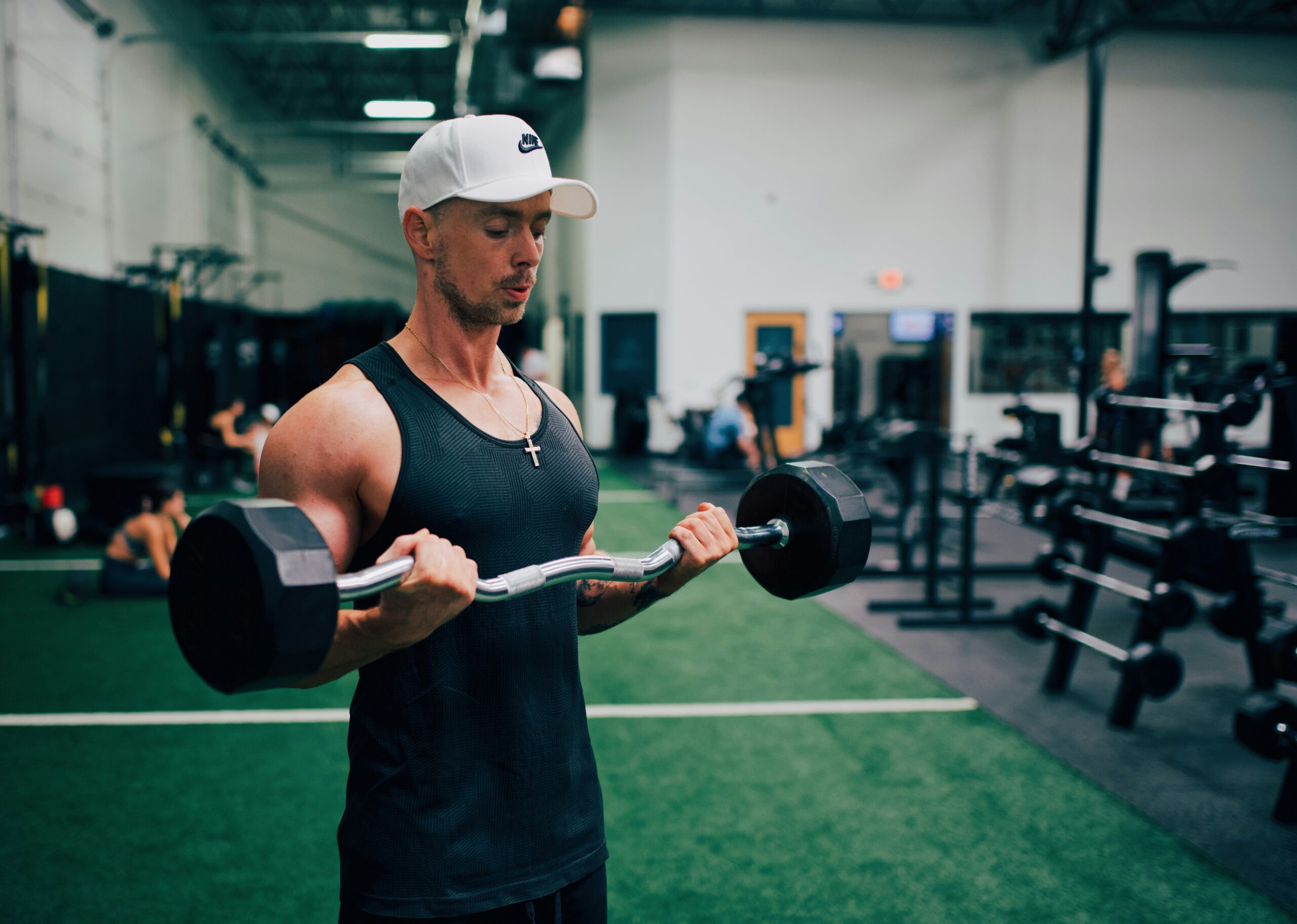
Age Proof Fitness: Expert Tips for Staying Active after 40 

Fitness Tips for Busy Professionals (Stay Fit with a 9–5 Job)

Remaining active is essential for people of all ages. Unfortunately, finding the proper fitness routine can be challenging for some, especially if they are over 40 and just beginning their fitness journey. 

Regular exercise works like a magic wand in your life. It can boost your quality of life, improve your mental health, and help you live longer. As we age, it is essential to keep moving and keep our muscles strong. 

This article looks forward to providing fitness tips after 40 to help you determine the importance of exercise for people your age. 

Why is Fitness Essential after 40? 

The percentage of adults in America reporting fair or poor health increased with age in 2019. Among people aged between 18 and 39, 7.8% reported being in fair or poor health. That number increased significantly to 17.2% among people aged 40 to 64. 

Adopting a healthy lifestyle and developing fresh habits after 40 may seem intimidating to many, but it is essential for many reasons, including: 

Quality of life: Researchers have shown that aging and exercise go hand in hand, as exercise helps prevent physical and cognitive decline. It inevitably means regular exercise slows the aging process. 

Longevity: As exercise slows down the aging process, it suggests a link to a longer lifespan. Research reveals that remaining fit minimizes the effects of cancer, cardiovascular diseases, type II diabetes, and vascular aging. 

Mental Health: Pursuing higher levels of physical activity has links with lower depressive symptoms, anxiety, and stress. 

Potential Hazards and Factors to Contemplate 

While it is essential to maintain an appropriate fitness routine for overall health, there are potential risks and factors to consider. They are: 

Injuries 

Bone density and muscle mass begin to decline during the aging process. While exercise helps slow the bone and muscle mass loss and even reverse it to a degree, it may still increase the hazards of injuries. 

For example, osteoporosis-affected people have an increased risk of bone fractures. Therefore, it’s helpful if they avoid high-impact aerobic exercise or activity where they are at a higher risk of falling. In addition, low-impact exercises such as walking or yoga may be beneficial. 

Diet 

While suitable fitness routines help improve bone and muscle density to slow the aging process, other factors are also essential. Ensuring optimal nutrition and sufficient intake of calcium and vitamin D is just as critical for preserving bone mass. 

It is also imperative to drink enough water to remain hydrated when exercising, especially in hot weather. 

Older adults may feel less thirsty, increasing their risk of dehydration. Remaining hydrated helps loosen joints and muscular tissue, keeping the body active and minimizing the risk of injury. 

Medical Checkups 

Individuals over 40 must consult a healthcare professional before they start a new fitness regimen. This is especially important if they have not exercised before or have pre-existing health conditions. 

Crucial Components of a Fitness Routine 

There are five crucial components to maintaining fitness routines. 

Strength Training: To enhance bone thickness and muscle mass, strength training such as weightlifting and other forms of resistance training is essential. Several studies demonstrate that performing a single strength-training exercise 2 to 3 times per week effectively increases muscle size and strength. 

  1. Cardio: heart and lung health benefits from cardio exercises, often called aerobic exercise or endurance training. Activities such as walking, jogging, cycling, and swimming are suitable choices. Vigorous household activities such as gardening and shoveling snow are also examples of aerobic exercises. 
  1. Core: for spinal protection and to prevent back problems, core exercises, such as abdominal training, help maintain proper posture. Approximately 31 million Americans experience lower back pain, according to the American Chiropractic Association. These issues can be minimized by working at the core. 
  1. Stretching: Dynamic warm-ups and gentle stretching before workouts are essential to reduce the risk of injury. Flexibility also helps avoid injuries that occur in everyday life as people age. Some examples of the injuries include shoulder strains and back aches. People also need to stretch more thoroughly after a workout. 
  1. Balance: Practicing balancing methods by standing on one leg for extended periods is also helpful for avoiding injuries. Losing balance and falling become risks as people age, making practicing these techniques highly beneficial. 

How to start 

People over 40 looking to start a fitness routine should consult a healthcare professional for an evaluation and recommendations on appropriate exercises. Alternatively, they can consult a personal trainer, physical therapist, or registered dietitian to help them work out a plan for their specific goals. 

Questions to Present to a Medical Professional 

Below are some questions to ask a medical professional when embarking on a new fitness regimen after age 40. 

Is It Safe for Me to Exercise Frequently? 

People over 40 with a pre-existing chronic health condition, such as diabetes, may have to structure their exercise routine around their condition. The reason for the caution is that exercise can raise blood glucose levels. 

While Exercise Interfere with My Medications? 

When people on insulin consider exercising, they may need to adjust their insulin dosage based on their exercise regimen. They can discuss the medications they presently take with their medical professional, along with any vitamins and supplements they take, for advice. 

What Changes Should I Make to My Diet? 

Changing from no exercise to low-impact workouts may require some to alter their diet. For example, if someone is underweight, they may need to increase their calorie intake. 

What Exercises Are Best Suited for My Health? 

Every individual is different, and a few exercises work better for some than others. Some exercises may be unsuitable for people with health conditions, and others may help them improve their problems. 

Exercises Suitable For After 40 

After 40, the body loses 3-8% of muscle mass per decade when inactive, making it essential to engage in regular resistance training to counter sarcopenia and maintain a boosted metabolism. Therefore, it is best to focus on compound movements and exercises that help joint health. Exercises working for multiple joints and muscle groups, such as squats and deadlifts, are more efficient and effective for overall health than isolated exercises. 

To continue building strength, over 40 people are advised to train with progression. They must consistently challenge their muscles, gradually increasing the average weight they lift or the number of repetitions. 

It is essential for people over 40 to maintain cardiovascular health, as a robust heart and lungs are vital for longevity and energy. The recommended goal for adults is at least 150 minutes of moderate aerobic activity per week or 75 minutes of vigorous activity. 

To minimize the risk of injuries, adults over 40 must follow these guidelines for a sustainable fitness journey. 

Consult a doctor before starting a fitness regimen and request advice on the best recovery supplements to take after a workout. In addition, they can also inquire about flexibility tips to help them combat stiffness or other issues. 

Conclusion 

Starting a new fitness routine over 40 offers a wide range of benefits and helps people live longer and fuller lives. However, it is always an excellent idea to approach exercise the right way by consulting a medical professional and setting realistic, healthy goals. 
No Comments

Age Proof Fitness: Expert Tips for Staying Active after 40 

Fitness Tips for Busy Professionals (Stay Fit with a 9–5 Job)

Remaining active is essential for people of all ages. Unfortunately, finding the proper fitness routine can be challenging for some, especially if they are over 40 and just beginning their fitness journey. 

Regular exercise works like a magic wand in your life. It can boost your quality of life, improve your mental health, and help you live longer. As we age, it is essential to keep moving and keep our muscles strong. 

This article looks forward to providing fitness tips after 40 to help you determine the importance of exercise for people your age. 

Why is Fitness Essential after 40? 

The percentage of adults in America reporting fair or poor health increased with age in 2019. Among people aged between 18 and 39, 7.8% reported being in fair or poor health. That number increased significantly to 17.2% among people aged 40 to 64. 

Adopting a healthy lifestyle and developing fresh habits after 40 may seem intimidating to many, but it is essential for many reasons, including: 

Quality of life: Researchers have shown that aging and exercise go hand in hand, as exercise helps prevent physical and cognitive decline. It inevitably means regular exercise slows the aging process. 

Longevity: As exercise slows down the aging process, it suggests a link to a longer lifespan. Research reveals that remaining fit minimizes the effects of cancer, cardiovascular diseases, type II diabetes, and vascular aging. 

Mental Health: Pursuing higher levels of physical activity has links with lower depressive symptoms, anxiety, and stress. 

Potential Hazards and Factors to Contemplate 

While it is essential to maintain an appropriate fitness routine for overall health, there are potential risks and factors to consider. They are: 

Injuries 

Bone density and muscle mass begin to decline during the aging process. While exercise helps slow the bone and muscle mass loss and even reverse it to a degree, it may still increase the hazards of injuries. 

For example, osteoporosis-affected people have an increased risk of bone fractures. Therefore, it’s helpful if they avoid high-impact aerobic exercise or activity where they are at a higher risk of falling. In addition, low-impact exercises such as walking or yoga may be beneficial. 

Diet 

While suitable fitness routines help improve bone and muscle density to slow the aging process, other factors are also essential. Ensuring optimal nutrition and sufficient intake of calcium and vitamin D is just as critical for preserving bone mass. 

It is also imperative to drink enough water to remain hydrated when exercising, especially in hot weather. 

Older adults may feel less thirsty, increasing their risk of dehydration. Remaining hydrated helps loosen joints and muscular tissue, keeping the body active and minimizing the risk of injury. 

Medical Checkups 

Individuals over 40 must consult a healthcare professional before they start a new fitness regimen. This is especially important if they have not exercised before or have pre-existing health conditions. 

Crucial Components of a Fitness Routine 

There are five crucial components to maintaining fitness routines. 

Strength Training: To enhance bone thickness and muscle mass, strength training such as weightlifting and other forms of resistance training is essential. Several studies demonstrate that performing a single strength-training exercise 2 to 3 times per week effectively increases muscle size and strength. 

  1. Cardio: heart and lung health benefits from cardio exercises, often called aerobic exercise or endurance training. Activities such as walking, jogging, cycling, and swimming are suitable choices. Vigorous household activities such as gardening and shoveling snow are also examples of aerobic exercises. 
  1. Core: for spinal protection and to prevent back problems, core exercises, such as abdominal training, help maintain proper posture. Approximately 31 million Americans experience lower back pain, according to the American Chiropractic Association. These issues can be minimized by working at the core. 
  1. Stretching: Dynamic warm-ups and gentle stretching before workouts are essential to reduce the risk of injury. Flexibility also helps avoid injuries that occur in everyday life as people age. Some examples of the injuries include shoulder strains and back aches. People also need to stretch more thoroughly after a workout. 
  1. Balance: Practicing balancing methods by standing on one leg for extended periods is also helpful for avoiding injuries. Losing balance and falling become risks as people age, making practicing these techniques highly beneficial. 

How to start 

People over 40 looking to start a fitness routine should consult a healthcare professional for an evaluation and recommendations on appropriate exercises. Alternatively, they can consult a personal trainer, physical therapist, or registered dietitian to help them work out a plan for their specific goals. 

Questions to Present to a Medical Professional 

Below are some questions to ask a medical professional when embarking on a new fitness regimen after age 40. 

Is It Safe for Me to Exercise Frequently? 

People over 40 with a pre-existing chronic health condition, such as diabetes, may have to structure their exercise routine around their condition. The reason for the caution is that exercise can raise blood glucose levels. 

While Exercise Interfere with My Medications? 

When people on insulin consider exercising, they may need to adjust their insulin dosage based on their exercise regimen. They can discuss the medications they presently take with their medical professional, along with any vitamins and supplements they take, for advice. 

What Changes Should I Make to My Diet? 

Changing from no exercise to low-impact workouts may require some to alter their diet. For example, if someone is underweight, they may need to increase their calorie intake. 

What Exercises Are Best Suited for My Health? 

Every individual is different, and a few exercises work better for some than others. Some exercises may be unsuitable for people with health conditions, and others may help them improve their problems. 

Exercises Suitable For After 40 

After 40, the body loses 3-8% of muscle mass per decade when inactive, making it essential to engage in regular resistance training to counter sarcopenia and maintain a boosted metabolism. Therefore, it is best to focus on compound movements and exercises that help joint health. Exercises working for multiple joints and muscle groups, such as squats and deadlifts, are more efficient and effective for overall health than isolated exercises. 

To continue building strength, over 40 people are advised to train with progression. They must consistently challenge their muscles, gradually increasing the average weight they lift or the number of repetitions. 

It is essential for people over 40 to maintain cardiovascular health, as a robust heart and lungs are vital for longevity and energy. The recommended goal for adults is at least 150 minutes of moderate aerobic activity per week or 75 minutes of vigorous activity. 

To minimize the risk of injuries, adults over 40 must follow these guidelines for a sustainable fitness journey. 

Consult a doctor before starting a fitness regimen and request advice on the best recovery supplements to take after a workout. In addition, they can also inquire about flexibility tips to help them combat stiffness or other issues. 

Conclusion 

Starting a new fitness routine over 40 offers a wide range of benefits and helps people live longer and fuller lives. However, it is always an excellent idea to approach exercise the right way by consulting a medical professional and setting realistic, healthy goals. 

No Comments

Copyright 2025 Site. All rights reserved