
Family Gratitude Rituals to Start This Thanksgiving 

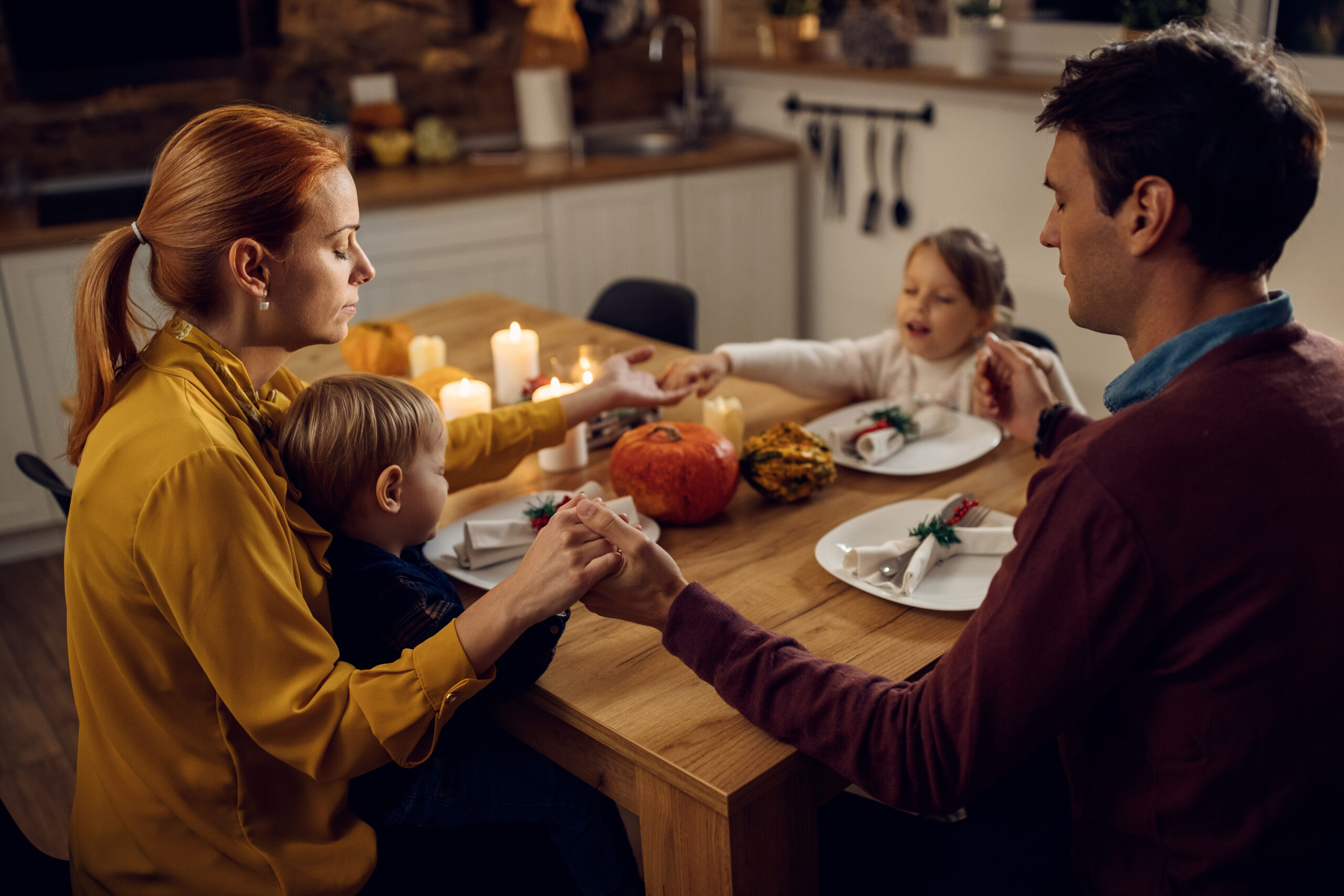
woman-child-aged-lady-praying-table

Key Takeaways 

  • Children practicing gratitude are more likely to feel happy and less stressed. 
  • Engaging activities such as scavenger hunts and collage-making help children learn about gratitude. 
  • Individuals and groups can both indulge in gratitude activities. 

Practicing gratitude is an essential life skill. It is easy to focus on the negative aspects of life. However, being grateful for the positive things, even small ones, can fill children with happiness and satisfaction. Gratitude activities for children help strengthen this skill. 

Here is why teaching Thanksgiving gratitude rituals to children matters, with enjoyable exercises to get them started. 

The Significance of Instilling Gratitude in Children: 

Gratitude is a potent positive emotion. It signifies appreciation of the good aspects of life. Gratitude goes beyond just saying ‘thank you’ and includes a deeper sense of recognition. Studies have shown that gratitude gives many benefits, such as increased optimism and reduced stress. There are even physical benefits, such as increased physical activity and fewer medical appointments. 

Other benefits of gratitude are all mentioned in an article from the Anxiety and Depression Association of America, which includes increased social linking, enhanced sleep quality and time, and a reduced risk of suicide. 

Humble practices such as writing kind notes to friends and helping colleagues with homework help young children develop a sense of gratitude. Therefore, family Thanksgiving traditions don’t have to be challenging. 

10 Gratitude Activities for Children 

An optimal way to instill a sense of gratitude in kids from an early age is to include fun gratitude activities. Below are some to consider: 

The Gratitude Jar 

Children get to express their appreciation for various aspects of life by picking a stick and sharing their thoughts in this interactive activity. The gratitude game requires Popsicle sticks, markers, and a container jar to hold the sticks. 

  • Get children to write on each popsicle stick prompts, such as: 
  • Name one person you are grateful for and why. 
  • Describe someone in an appreciable manner. 
  • Share a talent, skill, or strength you are thankful for. 

Place all the sticks in the container jar and have children take turns picking one and responding to the prompt by sharing their thoughts. This activity is great for children ages 6-12. 

The Thankful Tree 

For children between 5 and 12, the thankful tree is a wonderful activity. The activity helps children develop gratitude by creating visual representations of the things they appreciate. Children will need construction paper in different colors, scissors, markers, and a large piece of paper to create a tree trunk. Get your child to cut leaf shapes from the construction paper and write or draw something they are grateful for on each leaf. 

Thankful ABC 

The thankful ABC activity consists of enumerating items for which children are grateful, utilizing each letter of the alphabet from A to Z on a sheet of paper. As children identify each item, they have the opportunity to contemplate both significant and minor blessings. The thankful ABC activity is useful for children aged five and over, though younger children will need help coming up with ideas. Older children can accomplish this more independently. 

Gather the necessary materials: a notebook or sheet of paper, a pencil, a colored marker, and an alphabet template for your children. After the children complete the list, feel free to talk to them about some of the items. You may ask why children are thankful for this, or how that makes you feel. 

My Gratitude Walk 

Here is how to teach children gratitude: take a walk and consciously observe and appreciate the things around them. The activity is best completed using my gratitude walk worksheet to engage children’s senses. Children over four can participate with guidance from their parents and teachers. 

Ensure children are wearing comfortable shoes and weather-appropriate clothing. To explain the purpose of the activity, children must be told that today we are going on a gratitude walk. As we walk, let’s pay attention to the things we see, hear, smell, and feel, which make us happy and thankful. 

Gratitude Scavenger Hunt 

While the gratitude walk is open-ended, the scavenger hunt is more structured, providing children with a specific list of items to find. The hunt adds an element of challenge and is best suited for children aged 4 and up. 

When starting a Gratitude scavenger hunt for children, a list of items to discover, a pencil to tick items off, and a camera to photograph their findings. As children find each item, encourage them to express their gratefulness for it. 

Gratitude Collage 

A fantastic activity for children of all ages, a gratitude collage lets them visually represent what they are grateful for. Children can practice mindfulness as they assemble the collage using pictures from magazines and newspapers. 

According to research across multiple sources, mindfulness increases gratitude levels by enhancing positive effects. Higher gratitude levels lead to greater prosocial motivation, or a person’s drive to help others. 

Thankful Hearts 

Thanksgiving is about expressing gratitude to friends and family by indulging in various Thanksgiving games. Thankful Hearts is among the easiest games for children that involve writing or drawing things they are grateful for on heart-shaped cutouts. The game is suitable for individuals, families, or in classroom settings. 

Children will require construction paper of different colors, scissors, markers, and other decorative materials. After cutting the hardships from the construction paper, children can write or draw something they are thankful for. Finally, they must arrange the hearts on a large piece of paper or a poster for a beautiful display. 

Gratitude Yoga 

Individuals can reflect on the blessings in their lives during physical movement when gratitude is integrated into yoga sessions. This activity, where people come together to share their gratitude, often involves a sense of community. 

Children aged 5 to 11 years can try gratitude Yoga. All that is required to teach children gratitude yoga is a large enough space for children to move freely. We recommend starting with gentle warm-up exercises with deep breathing. 

Gratitude Journal 

Journaling provides children with an opportunity to reflect on their thoughts, feelings, and experiences. Children can consider it an evening reflection ritual, intentionally directing their thoughts to the goodness in daily experiences. Children as young as six can start journaling either individually, as a family, or even in a class. 

Gratitude Books 

Books featuring characters who appreciate the good things in life provide children with helpful examples to learn from. Fortunately, there are numerous excellent books for children as young as three. 

Common themes in gratitude books include valuing relationships, developing a growth mindset, and giving back. You can set the stage for reading by choosing a comfortable spot with cushions and blankets. After reading the book, you cannot judge and ask open-ended questions about their thoughts on gratitude. 

Practicing gratitude is crucial for happiness, and it should be made a normal part of your child’s routine. Activities such as interactive exercises and crafts make the aspect of gratitude tangible for younger children. Furthermore, children are more likely to remember the lessons they’ve learned. 

No Comments

Family Gratitude Rituals to Start This Thanksgiving 

woman-child-aged-lady-praying-table

Key Takeaways 

  • Children practicing gratitude are more likely to feel happy and less stressed. 
  • Engaging activities such as scavenger hunts and collage-making help children learn about gratitude. 
  • Individuals and groups can both indulge in gratitude activities. 

Practicing gratitude is an essential life skill. It is easy to focus on the negative aspects of life. However, being grateful for the positive things, even small ones, can fill children with happiness and satisfaction. Gratitude activities for children help strengthen this skill. 

Here is why teaching Thanksgiving gratitude rituals to children matters, with enjoyable exercises to get them started. 

The Significance of Instilling Gratitude in Children: 

Gratitude is a potent positive emotion. It signifies appreciation of the good aspects of life. Gratitude goes beyond just saying ‘thank you’ and includes a deeper sense of recognition. Studies have shown that gratitude gives many benefits, such as increased optimism and reduced stress. There are even physical benefits, such as increased physical activity and fewer medical appointments. 

Other benefits of gratitude are all mentioned in an article from the Anxiety and Depression Association of America, which includes increased social linking, enhanced sleep quality and time, and a reduced risk of suicide. 

Humble practices such as writing kind notes to friends and helping colleagues with homework help young children develop a sense of gratitude. Therefore, family Thanksgiving traditions don’t have to be challenging. 

10 Gratitude Activities for Children 

An optimal way to instill a sense of gratitude in kids from an early age is to include fun gratitude activities. Below are some to consider: 

The Gratitude Jar 

Children get to express their appreciation for various aspects of life by picking a stick and sharing their thoughts in this interactive activity. The gratitude game requires Popsicle sticks, markers, and a container jar to hold the sticks. 

  • Get children to write on each popsicle stick prompts, such as: 
  • Name one person you are grateful for and why. 
  • Describe someone in an appreciable manner. 
  • Share a talent, skill, or strength you are thankful for. 

Place all the sticks in the container jar and have children take turns picking one and responding to the prompt by sharing their thoughts. This activity is great for children ages 6-12. 

The Thankful Tree 

For children between 5 and 12, the thankful tree is a wonderful activity. The activity helps children develop gratitude by creating visual representations of the things they appreciate. Children will need construction paper in different colors, scissors, markers, and a large piece of paper to create a tree trunk. Get your child to cut leaf shapes from the construction paper and write or draw something they are grateful for on each leaf. 

Thankful ABC 

The thankful ABC activity consists of enumerating items for which children are grateful, utilizing each letter of the alphabet from A to Z on a sheet of paper. As children identify each item, they have the opportunity to contemplate both significant and minor blessings. The thankful ABC activity is useful for children aged five and over, though younger children will need help coming up with ideas. Older children can accomplish this more independently. 

Gather the necessary materials: a notebook or sheet of paper, a pencil, a colored marker, and an alphabet template for your children. After the children complete the list, feel free to talk to them about some of the items. You may ask why children are thankful for this, or how that makes you feel. 

My Gratitude Walk 

Here is how to teach children gratitude: take a walk and consciously observe and appreciate the things around them. The activity is best completed using my gratitude walk worksheet to engage children’s senses. Children over four can participate with guidance from their parents and teachers. 

Ensure children are wearing comfortable shoes and weather-appropriate clothing. To explain the purpose of the activity, children must be told that today we are going on a gratitude walk. As we walk, let’s pay attention to the things we see, hear, smell, and feel, which make us happy and thankful. 

Gratitude Scavenger Hunt 

While the gratitude walk is open-ended, the scavenger hunt is more structured, providing children with a specific list of items to find. The hunt adds an element of challenge and is best suited for children aged 4 and up. 

When starting a Gratitude scavenger hunt for children, a list of items to discover, a pencil to tick items off, and a camera to photograph their findings. As children find each item, encourage them to express their gratefulness for it. 

Gratitude Collage 

A fantastic activity for children of all ages, a gratitude collage lets them visually represent what they are grateful for. Children can practice mindfulness as they assemble the collage using pictures from magazines and newspapers. 

According to research across multiple sources, mindfulness increases gratitude levels by enhancing positive effects. Higher gratitude levels lead to greater prosocial motivation, or a person’s drive to help others. 

Thankful Hearts 

Thanksgiving is about expressing gratitude to friends and family by indulging in various Thanksgiving games. Thankful Hearts is among the easiest games for children that involve writing or drawing things they are grateful for on heart-shaped cutouts. The game is suitable for individuals, families, or in classroom settings. 

Children will require construction paper of different colors, scissors, markers, and other decorative materials. After cutting the hardships from the construction paper, children can write or draw something they are thankful for. Finally, they must arrange the hearts on a large piece of paper or a poster for a beautiful display. 

Gratitude Yoga 

Individuals can reflect on the blessings in their lives during physical movement when gratitude is integrated into yoga sessions. This activity, where people come together to share their gratitude, often involves a sense of community. 

Children aged 5 to 11 years can try gratitude Yoga. All that is required to teach children gratitude yoga is a large enough space for children to move freely. We recommend starting with gentle warm-up exercises with deep breathing. 

Gratitude Journal 

Journaling provides children with an opportunity to reflect on their thoughts, feelings, and experiences. Children can consider it an evening reflection ritual, intentionally directing their thoughts to the goodness in daily experiences. Children as young as six can start journaling either individually, as a family, or even in a class. 

Gratitude Books 

Books featuring characters who appreciate the good things in life provide children with helpful examples to learn from. Fortunately, there are numerous excellent books for children as young as three. 

Common themes in gratitude books include valuing relationships, developing a growth mindset, and giving back. You can set the stage for reading by choosing a comfortable spot with cushions and blankets. After reading the book, you cannot judge and ask open-ended questions about their thoughts on gratitude. 

Practicing gratitude is crucial for happiness, and it should be made a normal part of your child’s routine. Activities such as interactive exercises and crafts make the aspect of gratitude tangible for younger children. Furthermore, children are more likely to remember the lessons they’ve learned. 

No Comments

Copyright 2025 Site. All rights reserved