
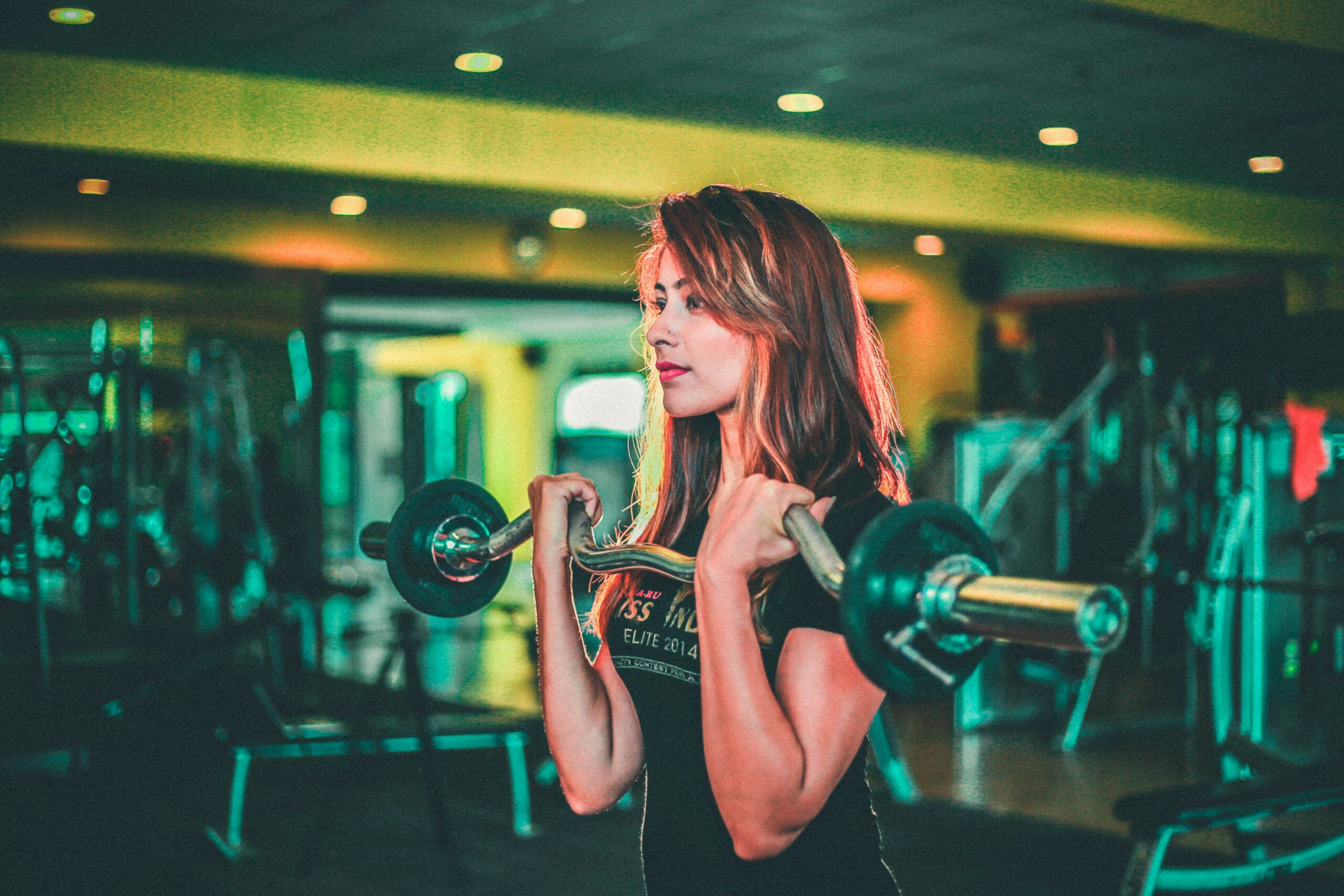
Advanced Fitness Tips: How Athletes Optimize Every Workout 

Fitness Tips for Busy Professionals (Stay Fit with a 9–5 Job)

Are you satisfied just going through the motions at the gym? If you’re committed enough to work out, make it count. These fitness tips for athletes are designed to help you maximize intensity and strength during every session, so you can achieve better results and look forward to lasting progress. 

You should start looking ahead immediately after your workout, as your body needs the appropriate fuel to expand and repair itself over the next few days, and you need to start preparing for your next bout with the weights. That recovery routine and presentation start now. By following our first workout protocols, you will enhance your body skill to grow from today’s Beatdown and get ready for tomorrow’s trip to the gym. 

It’s helpful to always remain in a constant state of readiness. While most of the tips below are geared toward pre- and post-workout times, you can do some things at other times to help you get the most out of your workouts. Remember, cruising through a set of demanding squats may not be as challenging as actually finding sufficient time in your day to get yourself to the gym. If you are converting this challenge, you need to take every step possible to ensure you get your money worth while you’re there. Every set — every rep — is an investment in your physique. You undoubtedly don’t have the capital to waste on bad workouts. It’s a commitment made to yourself, and as the proverb goes, everything worth doing is worth doing right. 

Integrate as many of the following tips as possible to begin maximizing your time at the gym. Consider these tips for progressive overload but try to include as many as you can in your workout. 

Strategies To Increase Your Gym Motivation 

Before Workouts, Consume Slow-Digesting Carbohydrates 

Before visiting the gym for endurance training, consider having some slow-digesting carbohydrates. Researchers at Loughborough University (UK) discovered that when athletes had slow-digesting foods, such as whole grains for breakfast and lunch, they benefited from lower insulin levels and burned more fat when exercising, compared to athletes eating fast-digesting carbs, such as white bread. Ensure that all meals you have before workouts, including the one before the workout, contain at least 40 grams of slow-digesting carbs, such as oatmeal, sweet potatoes, fruit, buckwheat, or whole-wheat bread. 

Before Workouts, Avoid High-Fat Meals for up to 4 Hours 

High-fat diets blunt the ability of nitric oxide to dilate blood vessels for up to 4 hours, according to a University of Maryland School of Medicine (Baltimore) study. It means your muscles get reduced blood flow and a weaker muscle pump, which is more expensive if you have invested in a nitric oxide supplement. 4 hours before your workout, avoid high-fat foods, such as fast food and packaged foods. 

Include A Green Salad with Your Final Wholefood Meal before the Gym 

The Maryland University researchers also found that having a small green salad with a high-fat meal prevented the adverse effects of blood vessel dilation, possibly by enhancing nitric oxide production. Therefore, about an hour before hitting the gym, you can include a green salad with low-fat dressing in your meal. 

Take Whey Protein Creatine Supplement 

Speaking about 20 g of whey protein and 3-5g of creatine supplement before or after workouts helps increase muscle mass by 87%, bench press strength by 36%, squat strength by 27% and deadlift strength by 25%. It also helps reduce body fat by 3% or more, compared with taking the supplements before breakfast or before bed. 

Consume Caffeine Before Workouts 

Approximately 1 to 2 Hours before you take 200-400 G of caffeine. Research shows that caffeine consumed pre-workout enhances fat burning and endurance and blunts muscle pain during training, meaning it allows you to do more reps. Recently, a study from the University of Nebraska (Lincoln) showed that subjects taking caffeine supplements before workouts immediately increased their one-rep max on the bench press by approximately five pounds. Studies confirm that caffeine supplements are more effective than caffeine from coffee. 

Take Arginine Before a Workout 

One study reported in the Journal of Nutrition found that trained participants who took arginine supplements over 8 weeks increased their 1RM bench press by about 20 pounds more than participants who took a placebo. Therefore, taking 3-5G of arginine 30-45 minutes before a workout helps. 

Include Cocoa Extract in Your Pre-Workout Shake 

In your pre-workout shake and two teaspoons of cocoa extract, researchers from the University of California discovered that a flower known as epicatechin in cocoa boosts nitric oxide levels and blood vessel dilation. If you have had your diet oxide and a pre-workout salad, it will keep your NO levels higher for longer. 

Employ Forced Reps for Your Concluding Sets 

Research from Finland found that participants who performed workouts with forced reps, with a spotter helping them get through their sticking points to complete a few more repetitions, had growth hormone levels almost 4000% higher than without forced reps. Therefore, for the final set of each exercise, after reaching failure, it’s beneficial to go for 2-3 extra forced reps, using them sparingly to avoid overtraining. 

Avoid Training to Failure on Each Set 

Scientists from Australia report that training to failure with one set can increase strength more than no sets to failure with no sets. However, when participants did more than one set to failure, the strength gains were about 50% lower than those who did just one set to failure. 

Focus On the Muscles You’re Training 

British researchers found that participants who focused on their biceps during bicep curls had greater muscle activity than those who thought about other things. Additional muscle recruitment leads to greater long-term muscle growth. Therefore, it helps athletes be sure to think about the muscles they are training with every rep of every set during their workout, instead of wondering where the beautiful blonde wearing the short shorts went after her bent-over rows. 

Varying Rep Speeds 

Another Australian study found that subjects performing quick repetitions (one second on the positive and negative portions of each rep) gained more strength than those using slow reps, because fast-twitch muscle fibers have the greatest potential for strength gains. However, the slow-rep participants gained more muscle mass than the first-rep participants, likely due to the longer time under tension and increased microtrauma. Therefore, a good mix of both is optimal to maximize strength and size. Athletes must transition from their regular controlled reps to 2-3 weeks of fast reps, followed by 2-3 weeks of slow reps. 

Train In a Group 

Research shows that when trained lifters try a 1 RM in front of a group, they are stronger than when they lift in front of just one person. 

Listen to Music 

A study conducted by the Weider research group found that when conditioned bodybuilders performed shoulder workouts while listening to music, they could complete an average of 1-2 more reps per set across all such exercises. Therefore, if you need another source of motivation, create a playlist of your favorite numbers that jack up your adrenaline and bring it to the gym. 

Don’t Train Too Heavy for Extended Periods 

Yes, training with heavyweights that prevent you from getting more than 4 to 5 reps is beneficial for strength and overall muscle mass when performed in conjunction with lighter training that allows you to get 8 to 12 reps. However, too much heavy training may work against muscle development. Baylor University (Waco, TX) researchers found that when athletes used their 6 RM, they had better levels of active myostatin — a protein that inhibits muscle growth — than when they did the same workout using their 18 RM. Therefore, do not extend your heavy rep ranges for more than 6-8 weeks; switch to a lighter weight, higher-rep scheme to keep myostatin levels in check. 

Stay Away from Exercise Balls, Wobble Boards, and Other Instability Devices 

Some Canadian scientists found that dumbbell chest presses resulted in a 40% decrease compared to bench presses. Another study from Appalachian State University found that when athletes performed squats with instability discs, they produced less force and quadriceps muscle activity than when they performed squats on firm ground. Therefore, if you are aiming to build strength and muscle mass, it is crucial to lift progressively heavier weights on the key lifts. If you’re looking to make the most of your workouts, it helps to stick to solid ground and focus on key lifts by tracking your performance. 

Reserve Cardio for After Your Weight Training 

Japanese researchers found that when participants did cardio before weights, their GH response to the weight workout reduced by 1100% compared to when they lifted first and completed with cardio. Therefore, it’s beneficial to do your cardio either after doing weight or on another day. 

Use Wrist Straps for Pulling Exercises 

The Weider research group conducted a study that found that conditioned bodybuilders performing a back workout with wrist straps completed an average of 1-2 additional reps per set across all sets in the routine. 

Drink Your Shake 

Your workout isn’t the only routine that helps you build muscle mass and strength. After your workout, consider drinking your Shake as a cool-down; it can also help significantly increase muscle mass, especially if you include whey and casein protein powders immediately after your workout. Drink a Shake with 20 g of casein and whey proteins. 

Stretching after Training 

Stretching before weightlifting can make you weaker during your workout. Researchers at the University of Texas reported that athletes who stretched after their workouts were more flexible than when they stretched beforehand. In addition, it’s easier and safer to stretch warmed muscles as they are pliable. 

Try Sipping Four Cups of Tea throughout the Day 

Some researchers from the University College (London) did a study and discovered that when people were dealing with a bit of stress, those sipping on four cups of black tea every day for six weeks had cortisol levels that were almost half of those who didn’t. Now exercise can increase your cortisol levels, which isn’t excellent. However, drinking tea after your workout can help keep that hormone in check, indicating you are all set for better growth. 

No Comments

Advanced Fitness Tips: How Athletes Optimize Every Workout 

Fitness Tips for Busy Professionals (Stay Fit with a 9–5 Job)

Are you satisfied just going through the motions at the gym? If you’re committed enough to work out, make it count. These fitness tips for athletes are designed to help you maximize intensity and strength during every session, so you can achieve better results and look forward to lasting progress. 

You should start looking ahead immediately after your workout, as your body needs the appropriate fuel to expand and repair itself over the next few days, and you need to start preparing for your next bout with the weights. That recovery routine and presentation start now. By following our first workout protocols, you will enhance your body skill to grow from today’s Beatdown and get ready for tomorrow’s trip to the gym. 

It’s helpful to always remain in a constant state of readiness. While most of the tips below are geared toward pre- and post-workout times, you can do some things at other times to help you get the most out of your workouts. Remember, cruising through a set of demanding squats may not be as challenging as actually finding sufficient time in your day to get yourself to the gym. If you are converting this challenge, you need to take every step possible to ensure you get your money worth while you’re there. Every set — every rep — is an investment in your physique. You undoubtedly don’t have the capital to waste on bad workouts. It’s a commitment made to yourself, and as the proverb goes, everything worth doing is worth doing right. 

Integrate as many of the following tips as possible to begin maximizing your time at the gym. Consider these tips for progressive overload but try to include as many as you can in your workout. 

Strategies To Increase Your Gym Motivation 

Before Workouts, Consume Slow-Digesting Carbohydrates 

Before visiting the gym for endurance training, consider having some slow-digesting carbohydrates. Researchers at Loughborough University (UK) discovered that when athletes had slow-digesting foods, such as whole grains for breakfast and lunch, they benefited from lower insulin levels and burned more fat when exercising, compared to athletes eating fast-digesting carbs, such as white bread. Ensure that all meals you have before workouts, including the one before the workout, contain at least 40 grams of slow-digesting carbs, such as oatmeal, sweet potatoes, fruit, buckwheat, or whole-wheat bread. 

Before Workouts, Avoid High-Fat Meals for up to 4 Hours 

High-fat diets blunt the ability of nitric oxide to dilate blood vessels for up to 4 hours, according to a University of Maryland School of Medicine (Baltimore) study. It means your muscles get reduced blood flow and a weaker muscle pump, which is more expensive if you have invested in a nitric oxide supplement. 4 hours before your workout, avoid high-fat foods, such as fast food and packaged foods. 

Include A Green Salad with Your Final Wholefood Meal before the Gym 

The Maryland University researchers also found that having a small green salad with a high-fat meal prevented the adverse effects of blood vessel dilation, possibly by enhancing nitric oxide production. Therefore, about an hour before hitting the gym, you can include a green salad with low-fat dressing in your meal. 

Take Whey Protein Creatine Supplement 

Speaking about 20 g of whey protein and 3-5g of creatine supplement before or after workouts helps increase muscle mass by 87%, bench press strength by 36%, squat strength by 27% and deadlift strength by 25%. It also helps reduce body fat by 3% or more, compared with taking the supplements before breakfast or before bed. 

Consume Caffeine Before Workouts 

Approximately 1 to 2 Hours before you take 200-400 G of caffeine. Research shows that caffeine consumed pre-workout enhances fat burning and endurance and blunts muscle pain during training, meaning it allows you to do more reps. Recently, a study from the University of Nebraska (Lincoln) showed that subjects taking caffeine supplements before workouts immediately increased their one-rep max on the bench press by approximately five pounds. Studies confirm that caffeine supplements are more effective than caffeine from coffee. 

Take Arginine Before a Workout 

One study reported in the Journal of Nutrition found that trained participants who took arginine supplements over 8 weeks increased their 1RM bench press by about 20 pounds more than participants who took a placebo. Therefore, taking 3-5G of arginine 30-45 minutes before a workout helps. 

Include Cocoa Extract in Your Pre-Workout Shake 

In your pre-workout shake and two teaspoons of cocoa extract, researchers from the University of California discovered that a flower known as epicatechin in cocoa boosts nitric oxide levels and blood vessel dilation. If you have had your diet oxide and a pre-workout salad, it will keep your NO levels higher for longer. 

Employ Forced Reps for Your Concluding Sets 

Research from Finland found that participants who performed workouts with forced reps, with a spotter helping them get through their sticking points to complete a few more repetitions, had growth hormone levels almost 4000% higher than without forced reps. Therefore, for the final set of each exercise, after reaching failure, it’s beneficial to go for 2-3 extra forced reps, using them sparingly to avoid overtraining. 

Avoid Training to Failure on Each Set 

Scientists from Australia report that training to failure with one set can increase strength more than no sets to failure with no sets. However, when participants did more than one set to failure, the strength gains were about 50% lower than those who did just one set to failure. 

Focus On the Muscles You’re Training 

British researchers found that participants who focused on their biceps during bicep curls had greater muscle activity than those who thought about other things. Additional muscle recruitment leads to greater long-term muscle growth. Therefore, it helps athletes be sure to think about the muscles they are training with every rep of every set during their workout, instead of wondering where the beautiful blonde wearing the short shorts went after her bent-over rows. 

Varying Rep Speeds 

Another Australian study found that subjects performing quick repetitions (one second on the positive and negative portions of each rep) gained more strength than those using slow reps, because fast-twitch muscle fibers have the greatest potential for strength gains. However, the slow-rep participants gained more muscle mass than the first-rep participants, likely due to the longer time under tension and increased microtrauma. Therefore, a good mix of both is optimal to maximize strength and size. Athletes must transition from their regular controlled reps to 2-3 weeks of fast reps, followed by 2-3 weeks of slow reps. 

Train In a Group 

Research shows that when trained lifters try a 1 RM in front of a group, they are stronger than when they lift in front of just one person. 

Listen to Music 

A study conducted by the Weider research group found that when conditioned bodybuilders performed shoulder workouts while listening to music, they could complete an average of 1-2 more reps per set across all such exercises. Therefore, if you need another source of motivation, create a playlist of your favorite numbers that jack up your adrenaline and bring it to the gym. 

Don’t Train Too Heavy for Extended Periods 

Yes, training with heavyweights that prevent you from getting more than 4 to 5 reps is beneficial for strength and overall muscle mass when performed in conjunction with lighter training that allows you to get 8 to 12 reps. However, too much heavy training may work against muscle development. Baylor University (Waco, TX) researchers found that when athletes used their 6 RM, they had better levels of active myostatin — a protein that inhibits muscle growth — than when they did the same workout using their 18 RM. Therefore, do not extend your heavy rep ranges for more than 6-8 weeks; switch to a lighter weight, higher-rep scheme to keep myostatin levels in check. 

Stay Away from Exercise Balls, Wobble Boards, and Other Instability Devices 

Some Canadian scientists found that dumbbell chest presses resulted in a 40% decrease compared to bench presses. Another study from Appalachian State University found that when athletes performed squats with instability discs, they produced less force and quadriceps muscle activity than when they performed squats on firm ground. Therefore, if you are aiming to build strength and muscle mass, it is crucial to lift progressively heavier weights on the key lifts. If you’re looking to make the most of your workouts, it helps to stick to solid ground and focus on key lifts by tracking your performance. 

Reserve Cardio for After Your Weight Training 

Japanese researchers found that when participants did cardio before weights, their GH response to the weight workout reduced by 1100% compared to when they lifted first and completed with cardio. Therefore, it’s beneficial to do your cardio either after doing weight or on another day. 

Use Wrist Straps for Pulling Exercises 

The Weider research group conducted a study that found that conditioned bodybuilders performing a back workout with wrist straps completed an average of 1-2 additional reps per set across all sets in the routine. 

Drink Your Shake 

Your workout isn’t the only routine that helps you build muscle mass and strength. After your workout, consider drinking your Shake as a cool-down; it can also help significantly increase muscle mass, especially if you include whey and casein protein powders immediately after your workout. Drink a Shake with 20 g of casein and whey proteins. 

Stretching after Training 

Stretching before weightlifting can make you weaker during your workout. Researchers at the University of Texas reported that athletes who stretched after their workouts were more flexible than when they stretched beforehand. In addition, it’s easier and safer to stretch warmed muscles as they are pliable. 

Try Sipping Four Cups of Tea throughout the Day 

Some researchers from the University College (London) did a study and discovered that when people were dealing with a bit of stress, those sipping on four cups of black tea every day for six weeks had cortisol levels that were almost half of those who didn’t. Now exercise can increase your cortisol levels, which isn’t excellent. However, drinking tea after your workout can help keep that hormone in check, indicating you are all set for better growth. 

No Comments

Copyright 2025 Site. All rights reserved