
Parenting Tips for Raising Polite & Respectful Kids               

vitaly-gariev-8UQpABMQqKw-unsplash

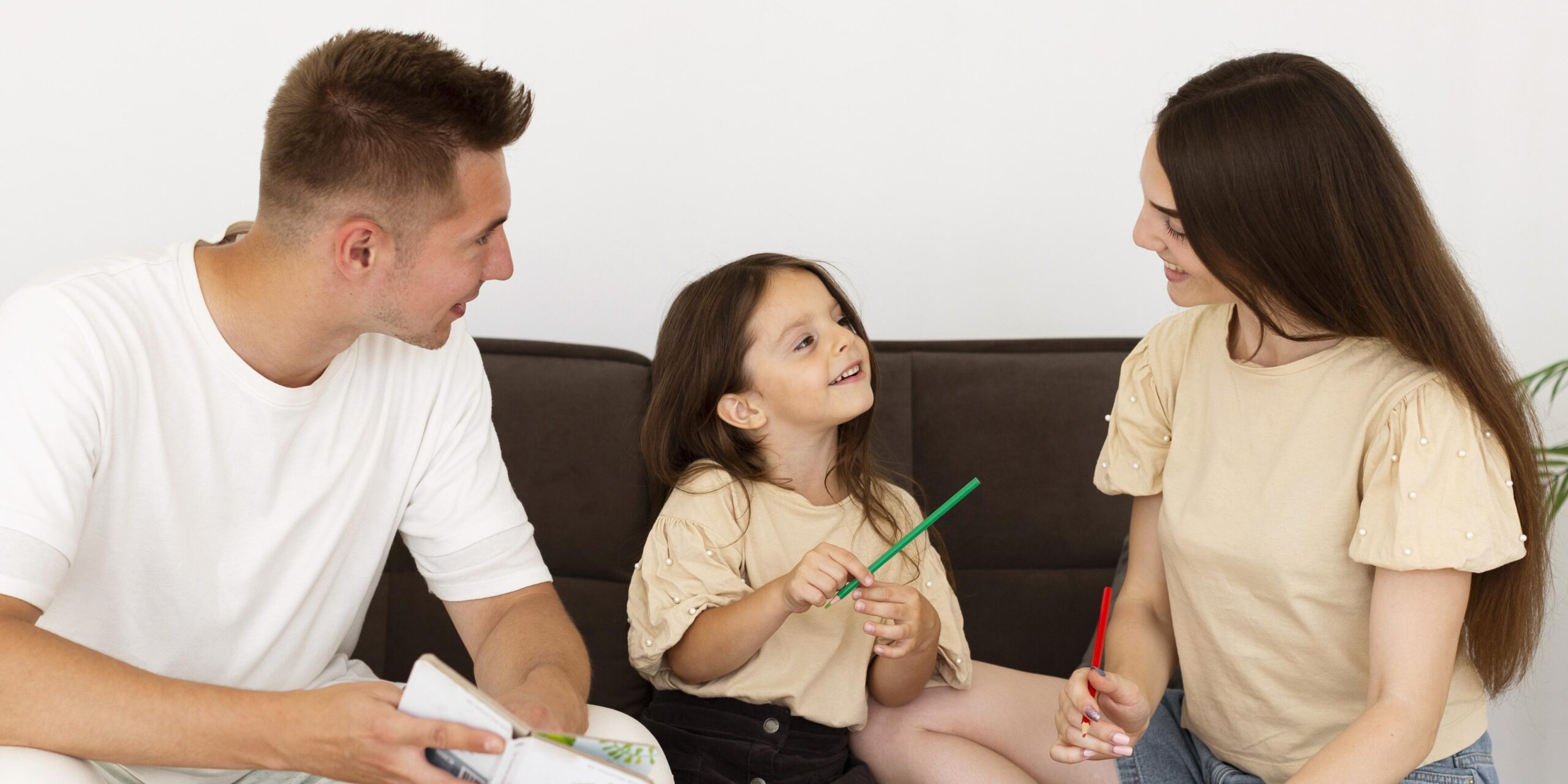
To raise polite and respectful kids, it is essential to model respectful behavior yourself by utilizing manners and showing empathy. Setting clear expectations and boundaries consistently by using positive reinforcement, praising good behavior, imparting life skills, role-playing, and making calm decisions. 

Your words and actions are the main way children learn. It’s helpful if you use polite language, show kindness, and express gratitude in your everyday interactions, as these are parenting tips for manners for young children. 

Like many things, children learn over time and through practice that kindness is a quality. Fortunately, there are many ways you can encourage your child to be a gentler, kinder person. For example, it helps if you decide to share books that encourage kindness. Research shows that the desire to help and comfort comes naturally to humans, just as self-centeredness or hurtfulness does. Alfie Kohn, the author of The Brighter Side of Human Nature: Altruism and Empathy in Everyday Life, says, “it’s almost as though we are born predisposed to be upset with other people’s pain.” 

How Empathy Develops 

Empathy —the ability to understand another person’s feelings —develops over time. A three-year-old may try to comfort a crying playmate by offering his own pacifier or blanket. While he may not understand why his friend is crying, he remembers the times when he felt sad and knows what comforts him. At four, children become more aware of others, but they continue to have trouble understanding how others feel. For example, they may express delight in knocking down someone else’s house of cards without understanding why the child who built it is upset. 

By age 5, children begin to understand when they have hurt someone and occasionally offer apologies without being prompted. They can also be emphatic about other children’s injuries. 

By the age of six or seven, children start sharing easily and taking turns. They can discuss what it means to be kind and brainstorm in ways they might help people. As they grow, children learn empathy on their own, making it unnecessary for parents to consider teaching empathy to children. 

However, unlike empathy, some parenting tips for manners are essential to teach children to be goodhearted and compassionate. However, according to the author/psychologist Dr. Julius Segal, nothing “works in the absence of an indestructible link of caring between parent and child.” Therefore, when you kiss your daughter good night or read bedtime stories to your son, you are giving your children parenting tips on good manners to help them reach out to others. 

That said, we offer some valuable strategies for parents to raise respectful, polite kids. Continue reading for more information: 

  1. Believe Your Child Is Capable of Kindness 

Kohn cautions, “If you treat your child like there’s no good, they will soon be up to no good.” However, if you assume that they do want to help and are concerned about other people’s needs, they will tend to live up to those expectations. 

  1. Model Positive Action 

What parents say or do is critical; letting children catch them in an act of kindness, such as driving an old neighbor to the store or offering a comforting word to a friend, makes children imitate them. Most parents begin role modeling for their children from day one. They talk while feeding their baby, laying the foundation for a lifetime of give-and-take and openness with others. 

  1. Treating children with respect 

This is as simple as alerting your child that playtime is almost over. Many times, parents decide without warning that it’s time to leave the playground and snatch their children abruptly because it’s time to go home. Although parents have their reasons for doing so, it’s disrespectful to treat human beings this way, regardless of size. You may also point out successful conflict resolution using real-world experiences. For example, at home, you may say to your child Mummy and daddy don’t always agree, but we hear each other out and treat each other with respect instead of putting each other down. 

  1. Guide Your Child to Observe Other People’s Facial Expressions 

Observing other people’s facial expressions is the first step in understanding another person’s perspective. Children are more likely to reach out to other children in need when they can imagine how the other child feels from someone else’s point of view. 

  1. Consistently Inform Your Children That Their Behavior Towards Others Matters Highly to You 

For example, if you notice your child laughing after seeing someone get splashed by a car hitting a puddle, you can point out to your child that the other person is not enjoying the incident. You can ask your child to look at the other person’s face, commenting that he or she appears sad and their clothes are dirty and wet. 

  1. Do Not Let Incivility Go Unnoticed 

You may point out that the cashier at the supermarket had a really bad day because they spoke to you in a mean voice and asked your child, “What do you think? The incident teaches your child that just because the cashier was nasty doesn’t mean you have to be. 

  1. Acknowledge Kindness 

Ensure that you show your child that you notice when someone does something nice. For example, if someone let you out of a parking exit despite a busy intersection, it’s nice to say, “It was nice of the driver to let me out.” At the same time, if your child treats someone kindly, acknowledge and praise the effort. 

  1. Be Aware That Your Child’s Interpretation of Variations in Others Is Significant 

Differences in people are easily noticed by young children, just as they notice them in animals and the color of crayons, making it essential to assume the best. If your child mentions something inappropriate, address it calmly. First, inquire why you say that, and then correct the misunderstanding by comprehensively explaining the situation. 

  1. Be Aware Of The Influences Media Has On Your Child 

Children are just as likely to imitate actions they observe in movies and read about in books as they are to act out other scenarios. Be aware of what your child watches on TV or in the movies and make yourself available to discuss what they see. Encourage reading books that focus on caring and compassion, as this helps them learn about polite behavior. 

  1. Elucidate That Calling Someone Names or Leaving Them Out of Games Is Similar to Hitting Them 

If you hear your child calling someone’s names and excluding them from games, get right into the problem-solving mode with both children. Point out how the child whose name was called is upset and explain how the entire problem could have been resolved without victimizing anyone. It is a good time to teach a child the habit of saying sorry & ‘thank you’ in specific situations. However, in this case, as your child called someone’s names, it is best that they apologize. 

  1. Avoid Competition Within The Family 

Never consider setting your children against each other, even when you do so unintentionally. For example, if you say, “Who can clean the fastest?” it indicates that you are opening up a competition between your children. When children are competing against each other to win, they believe that others are obstacles to their success. Instead of adopting this attitude, it is more helpful to encourage children to work together as you model good behavior. 

  1. Instruct Your Child On Methods To Help People In Need 

You can encourage children to donate toys they have outgrown to the annual toy drive while purchasing a couple of blocks to give away yourself. Your children can also help you make cookies for a shelter and accompany you when you visit someone in the hospital or a nursing home. 

  1. Exercise Patience with Little Children 

Kindness and compassion do not come naturally but are learned. Life can present challenging situations even to adults. Being a loving parent and an excellent role model will go a long way toward raising wonderful, tolerant human beings. 

Parenting tips to raise polite & respectful kids ensure that your children learn polite behavior and treat others, regardless of age, with respect. While you may not realize the importance of these tips initially, you ultimately learn how they helped you to change your children into wonderful adults later in life. 

No Comments

Parenting Tips for Raising Polite & Respectful Kids               

vitaly-gariev-8UQpABMQqKw-unsplash

To raise polite and respectful kids, it is essential to model respectful behavior yourself by utilizing manners and showing empathy. Setting clear expectations and boundaries consistently by using positive reinforcement, praising good behavior, imparting life skills, role-playing, and making calm decisions. 

Your words and actions are the main way children learn. It’s helpful if you use polite language, show kindness, and express gratitude in your everyday interactions, as these are parenting tips for manners for young children. 

Like many things, children learn over time and through practice that kindness is a quality. Fortunately, there are many ways you can encourage your child to be a gentler, kinder person. For example, it helps if you decide to share books that encourage kindness. Research shows that the desire to help and comfort comes naturally to humans, just as self-centeredness or hurtfulness does. Alfie Kohn, the author of The Brighter Side of Human Nature: Altruism and Empathy in Everyday Life, says, “it’s almost as though we are born predisposed to be upset with other people’s pain.” 

How Empathy Develops 

Empathy —the ability to understand another person’s feelings —develops over time. A three-year-old may try to comfort a crying playmate by offering his own pacifier or blanket. While he may not understand why his friend is crying, he remembers the times when he felt sad and knows what comforts him. At four, children become more aware of others, but they continue to have trouble understanding how others feel. For example, they may express delight in knocking down someone else’s house of cards without understanding why the child who built it is upset. 

By age 5, children begin to understand when they have hurt someone and occasionally offer apologies without being prompted. They can also be emphatic about other children’s injuries. 

By the age of six or seven, children start sharing easily and taking turns. They can discuss what it means to be kind and brainstorm in ways they might help people. As they grow, children learn empathy on their own, making it unnecessary for parents to consider teaching empathy to children. 

However, unlike empathy, some parenting tips for manners are essential to teach children to be goodhearted and compassionate. However, according to the author/psychologist Dr. Julius Segal, nothing “works in the absence of an indestructible link of caring between parent and child.” Therefore, when you kiss your daughter good night or read bedtime stories to your son, you are giving your children parenting tips on good manners to help them reach out to others. 

That said, we offer some valuable strategies for parents to raise respectful, polite kids. Continue reading for more information: 

  1. Believe Your Child Is Capable of Kindness 

Kohn cautions, “If you treat your child like there’s no good, they will soon be up to no good.” However, if you assume that they do want to help and are concerned about other people’s needs, they will tend to live up to those expectations. 

  1. Model Positive Action 

What parents say or do is critical; letting children catch them in an act of kindness, such as driving an old neighbor to the store or offering a comforting word to a friend, makes children imitate them. Most parents begin role modeling for their children from day one. They talk while feeding their baby, laying the foundation for a lifetime of give-and-take and openness with others. 

  1. Treating children with respect 

This is as simple as alerting your child that playtime is almost over. Many times, parents decide without warning that it’s time to leave the playground and snatch their children abruptly because it’s time to go home. Although parents have their reasons for doing so, it’s disrespectful to treat human beings this way, regardless of size. You may also point out successful conflict resolution using real-world experiences. For example, at home, you may say to your child Mummy and daddy don’t always agree, but we hear each other out and treat each other with respect instead of putting each other down. 

  1. Guide Your Child to Observe Other People’s Facial Expressions 

Observing other people’s facial expressions is the first step in understanding another person’s perspective. Children are more likely to reach out to other children in need when they can imagine how the other child feels from someone else’s point of view. 

  1. Consistently Inform Your Children That Their Behavior Towards Others Matters Highly to You 

For example, if you notice your child laughing after seeing someone get splashed by a car hitting a puddle, you can point out to your child that the other person is not enjoying the incident. You can ask your child to look at the other person’s face, commenting that he or she appears sad and their clothes are dirty and wet. 

  1. Do Not Let Incivility Go Unnoticed 

You may point out that the cashier at the supermarket had a really bad day because they spoke to you in a mean voice and asked your child, “What do you think? The incident teaches your child that just because the cashier was nasty doesn’t mean you have to be. 

  1. Acknowledge Kindness 

Ensure that you show your child that you notice when someone does something nice. For example, if someone let you out of a parking exit despite a busy intersection, it’s nice to say, “It was nice of the driver to let me out.” At the same time, if your child treats someone kindly, acknowledge and praise the effort. 

  1. Be Aware That Your Child’s Interpretation of Variations in Others Is Significant 

Differences in people are easily noticed by young children, just as they notice them in animals and the color of crayons, making it essential to assume the best. If your child mentions something inappropriate, address it calmly. First, inquire why you say that, and then correct the misunderstanding by comprehensively explaining the situation. 

  1. Be Aware Of The Influences Media Has On Your Child 

Children are just as likely to imitate actions they observe in movies and read about in books as they are to act out other scenarios. Be aware of what your child watches on TV or in the movies and make yourself available to discuss what they see. Encourage reading books that focus on caring and compassion, as this helps them learn about polite behavior. 

  1. Elucidate That Calling Someone Names or Leaving Them Out of Games Is Similar to Hitting Them 

If you hear your child calling someone’s names and excluding them from games, get right into the problem-solving mode with both children. Point out how the child whose name was called is upset and explain how the entire problem could have been resolved without victimizing anyone. It is a good time to teach a child the habit of saying sorry & ‘thank you’ in specific situations. However, in this case, as your child called someone’s names, it is best that they apologize. 

  1. Avoid Competition Within The Family 

Never consider setting your children against each other, even when you do so unintentionally. For example, if you say, “Who can clean the fastest?” it indicates that you are opening up a competition between your children. When children are competing against each other to win, they believe that others are obstacles to their success. Instead of adopting this attitude, it is more helpful to encourage children to work together as you model good behavior. 

  1. Instruct Your Child On Methods To Help People In Need 

You can encourage children to donate toys they have outgrown to the annual toy drive while purchasing a couple of blocks to give away yourself. Your children can also help you make cookies for a shelter and accompany you when you visit someone in the hospital or a nursing home. 

  1. Exercise Patience with Little Children 

Kindness and compassion do not come naturally but are learned. Life can present challenging situations even to adults. Being a loving parent and an excellent role model will go a long way toward raising wonderful, tolerant human beings. 

Parenting tips to raise polite & respectful kids ensure that your children learn polite behavior and treat others, regardless of age, with respect. While you may not realize the importance of these tips initially, you ultimately learn how they helped you to change your children into wonderful adults later in life. 

No Comments

Copyright 2025 Site. All rights reserved