

New & Alternative Anxiety Treatments: beyond Traditional Methods
Anxiety affects over 18% of the US population each year. It translates to more than 40 million Americans who deal with a treatable mental health condition. Unfortunately, many Americans do not receive treatment, making their anxiety feel like it’s derailing their life. Anxiety makes simple tasks appear impossible. Additionally, it can make relationships and regular routines downright daunting while triggering panic attacks that feel debilitating.
Thankfully, good news is also available because, beyond anti-anxiety medication and therapies, alternative anxiety treatments are also proving effective. When you explore these natural remedies to alleviate anxiety, you must ensure you consult a licensed mental health professional or a psychiatrist to discover a holistic anxiety treatment suitable for your needs.
Continue reading to learn more about holistic anxiety treatment to discover which natural remedy or herbal supplement you can utilize to bring peace and calm back to your life.
Please note that holistic methods may not work or be as effective as conventional treatments, making it essential for you to discuss natural treatments with your doctor or healthcare professional team. Many natural remedies are more effective when combined with conventional or psychological treatment or when used in combination with anxiety medication and CBT.
Below, we mention the different types of alternative treatments you can consider after you discuss your requirements with your mental health provider.
Individual or Group Therapy
Therapy comes in various forms to provide you with valuable tools to manage anxiety. Individual therapy permits you to open up to a medical professional one-on-one and learn more about your anxiety, besides practicing coping techniques. Alternatively, group therapy is highly effective for treating anxiety, as you will be with others who understand what you experience.
Get Sufficient Magnesium
Despite sufficient evidence being available about the effective natural properties of magnesium to treat anxiety, most Americans don’t get sufficient quantities naturally. Americans looking for natural magnesium can find it in:
- Almonds
- Black beans
- Cashews
- Dark Chocolate
- Spinach
- Whole-wheat
- Quinoa
Natural Supplements for Anxiety Relief
You can undoubtedly take dietary supplements to meet your daily magnesium needs. However, ensure that you discuss this with your doctor before embarking on a regimen of supplements and vitamins to ensure you are getting the right dose and that the supplements will not interfere with your prescription medications.
Check Vitamin D Levels For Deficiencies
Vitamin D affects serotonin levels, the mood-boosting hormone that helps focus and ensures you feel calm. According to research, there is a link between anxiety disorders, depression, and vitamin D deficiency.
It is essential that you speak with your therapist or primary care physician to have lab tests performed on your vitamin D levels. The tests will help you determine whether a deficiency contributes to your anxiety symptoms. After that, you can work with your doctor to determine the next steps to boost your vitamin D levels.
Boosting vitamin D levels is not a challenge if you decide to spend time outdoors in the sun, eat fatty fish, and consume sufficient fortified foods. However, if you prefer supplements, discuss adding them to your diet with your doctor first.
Omega-3 Fatty Acids
Brain health is greatly enhanced by omega-3 fatty acids. Unfortunately, these fatty acids are not produced by our bodies. Fortunately, We Can Get Omega-3 Fatty Acids from our diet. Various Studies Confirm That Omega-3 Fatty Acids Present in fish oil help reduce anxiety.
B Vitamins Are Helpful
Vitamin B provides several health benefits and may even prove beneficial in managing anxiety, as it helps your body process stress responses. Generally, you can obtain vitamin B from your diet, but for vegetarians or vegans, it can be challenging to get the vitamin solely from food. According to research, the lack of vitamin B12 is linked to depression and anxiety, making it worth seeking a supplement after consultation with your doctor.
L-theanine Supplements
Antianxiety medications and herbal remedies all contain the amino acid L-theanine, which is also found in black and green herbal teas. This amino acid has antianxiety effects.
CBD Oil
Do not confuse CBD with THC, a mood-altering substance in marijuana. CBD oil is a natural remedy without the THC component and has no side effects when taken, even when driving a car or going about your day, functioning appropriately.
CBD can help calm your nerves. It helps if you think of CBD as similar to SSRIs, which are available without a prescription. Some research and studies reveal that CBT might help reduce anxiety symptoms.
Holistic Therapies for Anxiety
Complementary Therapy
Most therapies aren’t equal. While talk therapy is undoubtedly beneficial for treating anxiety, there are other forms of therapy that help reduce anxiety. Some of the popular forms of therapy for anxiety that have acquired success include:
Acupuncture
This ancient Eastern practice called acupuncture has been considered effective for anxiety for centuries. Therefore, if you wonder does acupuncture helps anxiety, if offered the therapy, consider acquiring it without hesitation because it does.
Aromatherapy
Some research indicates that wearing essential oils, such as lavender or peppermint oil, or diffusing them, may help because they possess relaxing and calming properties that serve as a natural treatment for anxiety.
Virtual Reality Therapy for Anxiety
VR treatments for anxiety utilize immersive digital environments to assist patients in challenging and overcoming their fears with guarded exposure therapy, often combined with CBT. Virtual reality enables safe, customizable, and controlled exposure to stressful situations, helping to reduce anxiety symptoms and build confidence.
Hypnotherapy
It is believed that hypnotherapy can potentially reduce fear, stress, anxiety, and panic disorders.
Music Therapy
Music is helpful to calm the mind and minimize overall anxiety symptoms, according to research.
Mindfulness & Mental Techniques
Meditation
Medication for anxiety helps keep emotions in check. According to some research, mindfulness meditation is highly impactful in helping people overcome stress and reduce anxiety.
Journalling
Writing helps many people release pent-up stress and anxiety. Studies have revealed that teenagers and children with anxiety symptoms benefit from journaling for their mental health.
Lifestyle Changes That Reduce Anxiety
Outdoor Activity
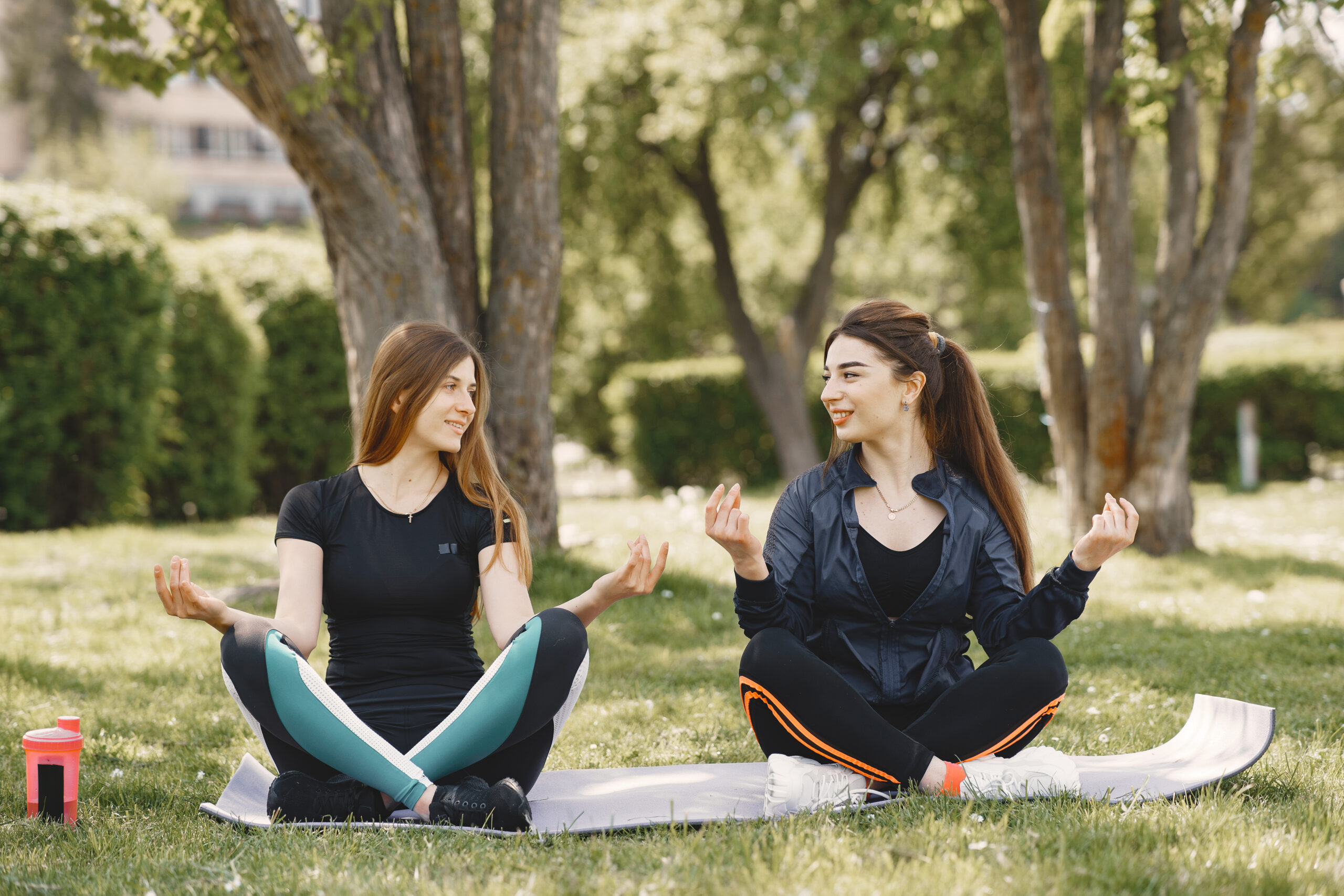
Spending time outdoors in nature has a profoundly positive impact on your mental health. Research suggests that spending time in nature not only benefits your physical health but also serves as a natural mind booster and anxiety reducer, offering significant cognitive benefits. Consider going on a brisk walk, a run, or practicing yoga for anxiety management outdoors whenever possible. Yoga helps release positive mood boosters like serotonin, which help calm you and reduce your anxiety.
Quit Caffeine
Caffeine is a stimulant, and while it is great for sluggish mornings to add the extra pep in your step, the morning cup of coffee might contribute to your anxiety. Research reveals that the physical symptoms arising from caffeine intake include shakiness and panic attacks. If you are looking for herbal remedies for anxiety relief, cutting back on your caffeine intake will help.
Workout
Exercise is not merely to keep you in good shape. Several studies have shown that increasing your heart rate can have a positive impact on your mental health. If you can’t go to the gym every day, consider going on brisk walks or taking a bicycle ride to help you clear your head, alleviate anxiety symptoms, and reduce stress.
Quit Smoking
Smoking is associated with anxiety disorders and is acknowledged as changing the pathways to the brain linked with the symptoms of anxiety. Some research is available to show that the earlier you limit smoking or quit altogether, the better your chances are of reducing your risk of developing anxiety disorders later in life.
Laughing
If you think laughing wildly in public might make it seem insane, consider doing it from the comfort of your home. Laughing helps relieve anxiety because it boosts endorphins and reduces stress hormones, such as dopamine, cortisol, and epinephrine. Laughing helps you refocus and destress, allowing you to let go of the anxious feelings and thoughts that interfere with your life.
Lavender
For its soothing properties, lavender is acknowledged as beneficial for people experiencing anxiety. Lavender’s scent lowers heart rate and blood pressure, making it an effective natural remedy for calming nervousness and anxiety. Combining lavender into your daily routine is as simple as adding a few drops of lavender oil to a diffuser before bed or applying lavender-infused lotion as a part of your relaxation routine.
Eliminate Alcohol
While it might appear that alcohol reduces anxiety, regular consumption disrupts your sleep and triggers anxiety. Reducing your alcohol intake can help improve sleep quality, but eliminating it altogether can help eliminate anxiety. Start by setting alcohol consumption limits and seeking support from friends and family to stay free from alcohol. Remember, gradual changes lead to sustainable lifestyle adjustments.
When to Consider Seeking Anxiety Treatment?
There is no one-size-fits-all method for anxiety relief or to deal with anxiety. If you seek alternative herbal remedies or natural treatments for anxiety that help you reduce your symptoms, you should know that there are alternatives out there for you. There are occasions when you will undoubtedly need help from a medical professional with an antianxiety medication. Having said that, these natural anxiety remedies can help you complement your therapy sessions to allow you to manage anxiety by yourself.
Frequently Asked Questions
Yes, many natural and holistic treatments can reduce anxiety symptoms, especially when combined with therapy and lifestyle changes.
Some supplements can help, but they should always be taken under medical supervision to avoid side effects or interactions.
Not always. Alternative treatments are often most effective when used alongside professional medical treatment.
There is no single best option. Techniques like mindfulness, exercise, and proper nutrition are widely effective.
